











When you first launch Where Winds Meet, you’re faced with an important decision: Lone Wanderer or Shared Journey. This isn’t just a difficulty setting or visual preference—these modes fundamentally change how you experience the game. One gives you a private world focused on story and immersion, while the other drops you into an MMO environment packed with guilds, massive PvP battles, and social features.
The good news? You’re not locked into your choice. You can switch between modes freely at any time with zero penalties. But understanding what each mode offers will help you make the most of your time in this wuxia world.
This guide breaks down everything you need to know about both modes, what content is exclusive to each, and how to choose based on your playstyle.
What is Lone Wanderer Mode in Where Winds Meet?
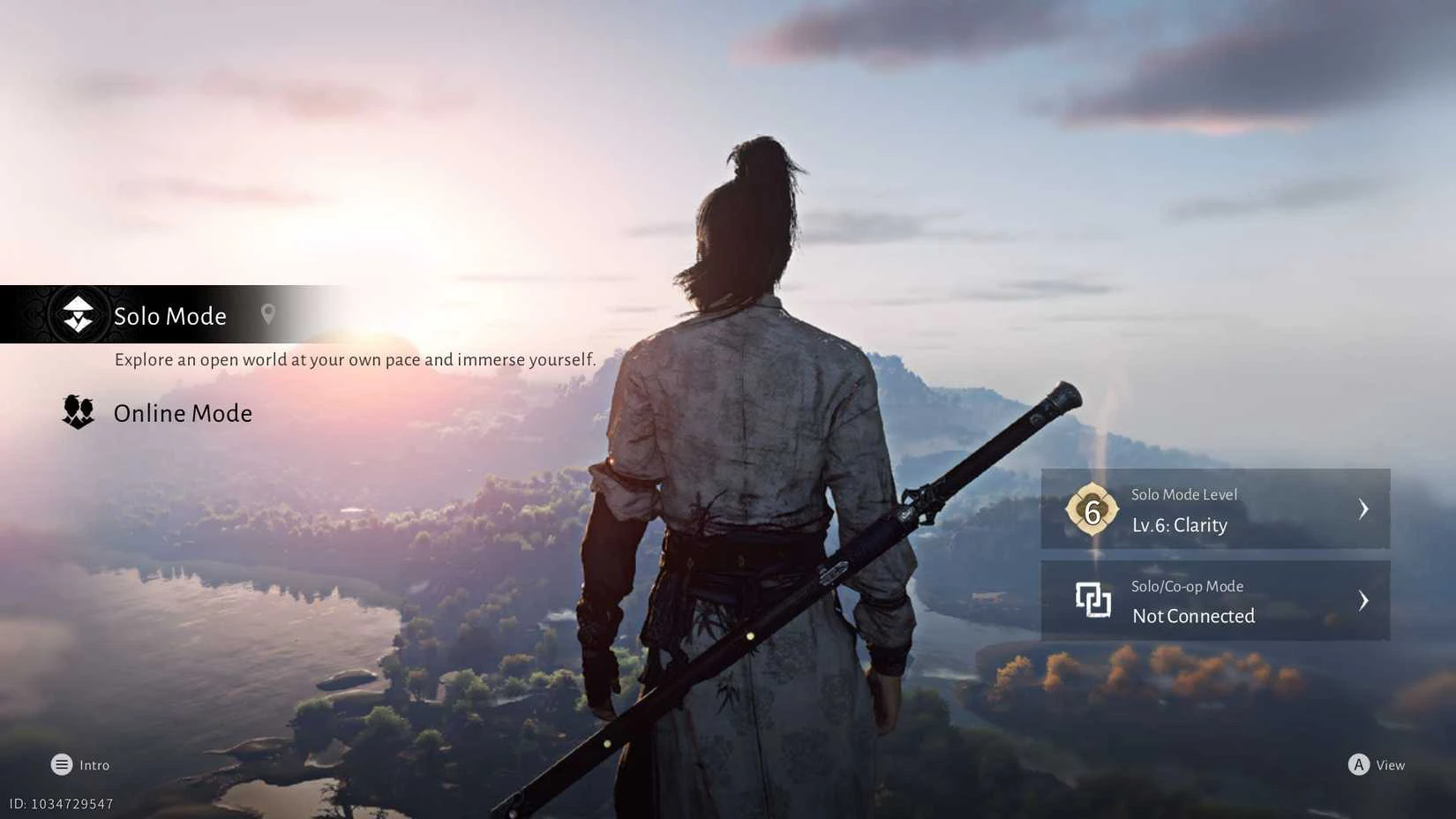
Lone Wanderer is Where Winds Meet’s single-player experience. When you enter this mode, you get your own private version of the game world where no other players exist. Cities are populated with NPCs, roads are traveled by AI characters, and the entire focus shifts to story and exploration.
This is the only mode where you can progress through the main campaign. All story quests, side missions, and narrative content happen here. If you want to understand the plot, meet key characters, or experience the world-building that Where Winds Meet offers, Lone Wanderer is mandatory.
Combat in this mode works with full mechanics intact. You get access to all three difficulty settings—Story, Recommended, and Expert—plus complete parrying and deflection systems. When you face tough bosses, you can summon NPC companions to help you out. The pacing is entirely in your control.
The trade-off? While in Lone Wanderer, you lose access to active guild participation. Your guild membership still exists, but you can’t engage with guild activities, attend events, or participate in guild wars. You also miss out on the MMO social hub experience where cities buzz with real players. Large-scale PvP content is completely unavailable.
What is Shared Journey Mode in Where Winds Meet?
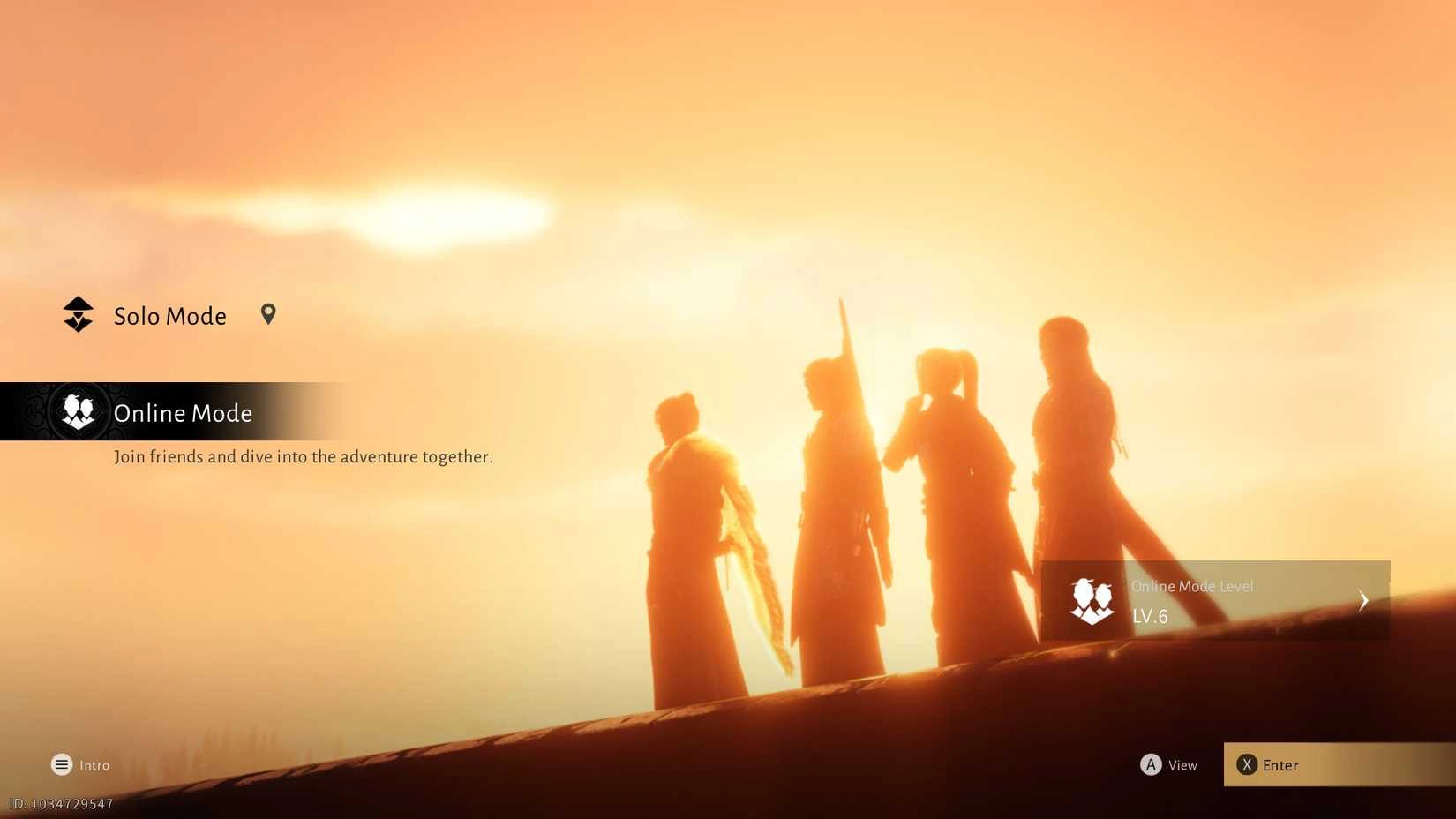
Shared Journey transforms Where Winds Meet into a full MMO. Switch to this mode and suddenly cities fill with dozens of real players. You’ll see people dueling in streets, showing off cosmetics, forming groups, and socializing in hubs.
Here’s the catch: no story progression happens in Shared Journey. This mode exists purely for multiplayer activities. If you’re looking to advance the plot or unlock new story areas, you need to switch back to Lone Wanderer.
What you gain is access to the complete social infrastructure. Guilds unlock at Level 20, giving you three options: Bladesworn Gang focuses on combat, Farshore Hall emphasizes exploration, and Changle Pavilion centers on leisure activities. Each guild type offers different perks and playstyles.
The social systems go deep. You can join group chats, send private messages, roleplay with other players (including healing their injuries), participate in mini-games like wrestling matches, and even engage with marriage and brotherhood systems that come with intimacy levels and exclusive benefits.
Exclusive Multiplayer Content
Shared Journey locks some of the game’s best content behind its doors. You cannot access these features from Lone Wanderer mode.
- Guild Wars are the headline feature. These 30v30 battles play out like MOBAs with three-lane strategy. Your guild pushes objectives, destroys towers, and competes in mid-match 1v1 champion duels. Winners earn exclusive cosmetics, gear from war currency, and seasonal rankings with prestigious titles. Guild Wars typically happen on weekends and are the main endgame PvP content.
Beyond wars, guilds offer weekly dungeons called Path of the Hero, customizable guild garrisons where members can socialize, and guild talent trees that provide passive buffs to all members. Active guilds run regular events, making them essential for engaged players.
- Raids and world bosses require coordination. The 10-player raids use Holy Trinity gameplay—you need tanks, healers, and DPS working together to clear complex boss mechanics. There are also 5-player raids for smaller groups and Sentient Beings challenges that scale up to 10 players. All of these reset weekly, creating regular endgame content.
PvP systems span multiple formats:
- Arena modes (1v1, 2v2, 3v3, 5v5) unlock at Level 2
- Perception Forest operates as a 4-player battle royale
- Faction Wars deliver 30v30 large-scale battles
- Open-world PvP zones let you flag for combat voluntarily
Social features unique to Shared Journey include:
- Marriage system with mechanical benefits and exclusive cosmetics
- Brotherhood ceremonies for up to 9 players
- Dating tree to find in-game partners
- Ability to heal severe injuries for other players
- Full social hub where you can observe the community
One important note about raids: while technically accessible from Lone Wanderer through the Wandering Paths menu, matchmaking and the social experience work far better in Shared Journey where you can see players, recruit directly, and coordinate in real time.
Can You Switch Between Lone Wanderer and Shared Journey?
Yes, switching is effortless. Look at the top of your screen for the Mode Switch icon—it shows one figure for Lone Wanderer or two figures for Shared Journey. Click it and you’ll swap modes in seconds. There’s no cooldown, no penalty, no cost.
Your character stays completely intact. Level, gear, unlocked martial arts, skills, equipment, inventory—everything carries over. Your main story progress is saved regardless of which mode you’re in, and friendships persist across both modes.
What changes is context. Story quests only progress in Lone Wanderer. Multiplayer activities require Shared Journey. Mode-specific rewards (like guild war cosmetics or solo achievement items) track separately, but your core character development is universal.
This flexibility is one of Where Winds Meet’s smartest design choices. You’re never trapped in the wrong mode for what you want to do.
How Co-op Works in Lone Wanderer vs Shared Journey
Both modes support co-op, but the implementation differs significantly.
Loot from chests and Five-Tone Oddities gets shared among the group. This setup works perfectly if you want to experience the story alongside friends without fighting over credit or having to replay missions.
Exclusive Content Only Available in Shared Journey Mode
Guild-exclusive features include:
- 30v30 Guild Wars (completely inaccessible from solo mode)
- Guild garrison visits and customization options
- Weekly guild dungeons and raids organized by your guild
- Guild talent trees that buff all members
- Guild social events and banquets
Large-scale PvP requires Shared Journey:
- Faction Wars with 30v30 battles
- Open-world PvP zones and flagging
- Guild war seasons, rankings, and leaderboards
- PvP-exclusive cosmetics and titles
Social systems locked to multiplayer:
- Marriage ceremonies with mechanical benefits
- Brotherhood pacts for up to 9 players
- Dating tree matchmaking
- Healing severe injuries for other players
- The social hub experience where cities feel alive
Which Where Winds Meet Mode Should You Choose?
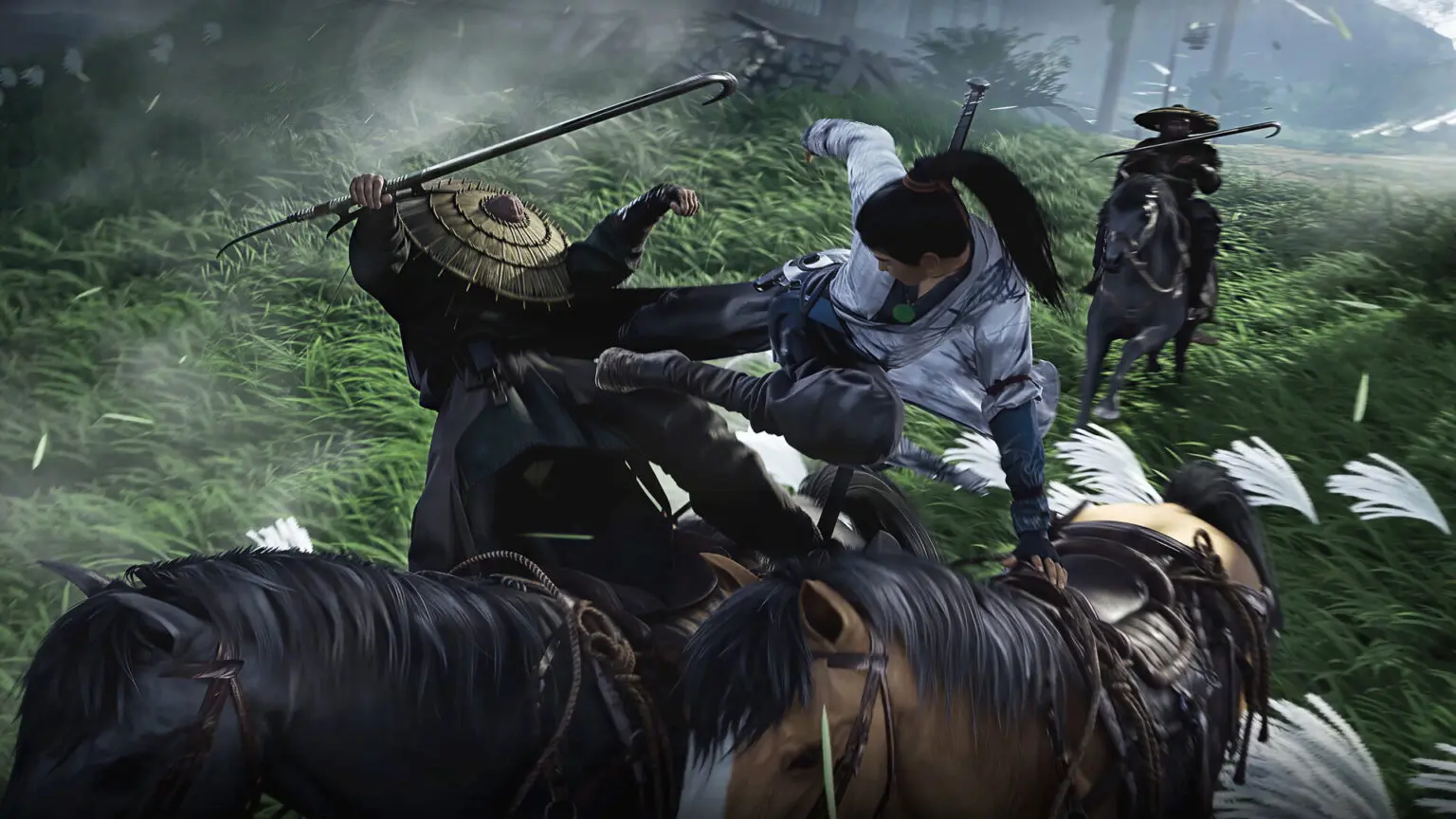
Your playstyle determines the answer, but the choice isn’t as binary as it seems.
Lone Wanderer suits players who prioritize story and immersion. If you want to experience the full narrative without other players breaking your concentration, this is your mode. The single-player pacing lets you absorb dialogue, explore every corner of the map, and engage with the wuxia world on your own terms. You’re not competing for quest objectives or dealing with crowded spawn points. The complete parrying mechanics also make combat more technical and satisfying for players who enjoy mastering defensive timing. New players especially benefit from this mode—learning Where Winds Meet’s systems without the chaos of an MMO environment makes the early hours far less overwhelming.
Shared Journey is for players who want community and competition. If the idea of joining an active guild, coordinating with 29 other players in massive PvP battles, and seeing cities bustling with real people excites you, then this mode delivers. MMO veterans will feel at home here—the social systems run deep with marriage mechanics, brotherhood pacts, and roleplay features. The endgame heavily favors Shared Journey since Guild Wars and faction battles provide the most challenging and rewarding content. If you’ve already experienced most of the story and you’re looking for reasons to keep logging in, the multiplayer activities here create that long-term engagement.
Recommended Path for New Players
Don’t overthink your starting choice. Here’s what works for most players.
- Levels 1-20: Stay in Lone Wanderer. Use this time to learn combat mechanics, understand how the world is structured, complete early story chapters, and unlock basic systems. The game has depth, and you need space to absorb it without distractions.
- Level 20+: Experiment with Shared Journey. This is when guilds unlock, so you can start exploring that content. Join a guild that matches your interests—combat-focused, exploration-focused, or leisure-focused. Try out multiplayer activities. But keep returning to Lone Wanderer for story progression. Switch freely based on what you want to do each session.
- Endgame at Level 40+: Your routine becomes more defined. Use Lone Wanderer for story content, solo farming, and focused progression. Switch to Shared Journey for weekly guild raids and dungeons, 30v30 Guild Wars (which typically run on weekends), PvP arenas and faction wars, and social events or roleplay sessions.
Hybrid Approach (Most Popular)
The majority of active players don’t commit to one mode. They bounce between both based on immediate goals.
A typical session might look like this: log in, progress story content in Lone Wanderer for 30 minutes, complete daily solo tasks and exploration, switch to Shared Journey when your guild pings you for a raid or Guild War event, participate in multiplayer content for an hour, then return to Lone Wanderer to continue the campaign.
This hybrid approach delivers the best experience. You get story immersion when you need it and multiplayer content when you want it. Since switching is instant with no penalties, there’s zero reason to artificially limit yourself to one mode.
Lone Wanderer vs Shared Journey: Quick Comparison
| Feature | Lone Wanderer | Shared Journey |
|---|---|---|
| Story Progression | Full Access | Disabled |
| World Exploration | Complete | Limited |
| See Other Players | No | Yes |
| Guild Membership | Inactive | Active |
| 30v30 Guild Wars | No | Yes |
| 10-Player Raids | Via Menu | Full Access |
| PvP Arenas | Via Menu | Full Access |
| Social Hub | No | Yes |
| Co-op with Friends | Private Rooms | Matchmaking |
| Parrying Mechanics | Enabled | Disabled |
| Marriage System | No | Yes |
Frequently Asked Questions About Where Winds Meet Modes
Final Verdict
There’s no wrong choice between Lone Wanderer and Shared Journey because you’re never committed to one.
Start with Lone Wanderer. Learn the game, complete the story, understand combat. Do this without the chaos of an MMO environment.
Switch to Shared Journey when you want multiplayer content. Guilds, PvP, raids—these become relevant as you approach endgame and want more social interaction.
Toggle freely based on your session goals. This flexibility is the system’s greatest strength.
Your mode choice doesn’t define your Where Winds Meet experience. Your ability to switch seamlessly between both does. Use that freedom.
