











If your S-tier operator feels underpowered, the issue is often your weapon setup. In Arknights: Endfield, weapons shape how steady your damage is, how often your passives trigger, and how clean your rotation feels in real fights.
This guide breaks weapon meta into simple parts you can check fast: role fit, uptime, proc rate, and essence breakpoints. You’ll get a quick audit you can run in minutes, a role-first weapon pick method, and a few fix patterns that usually boost damage right away.
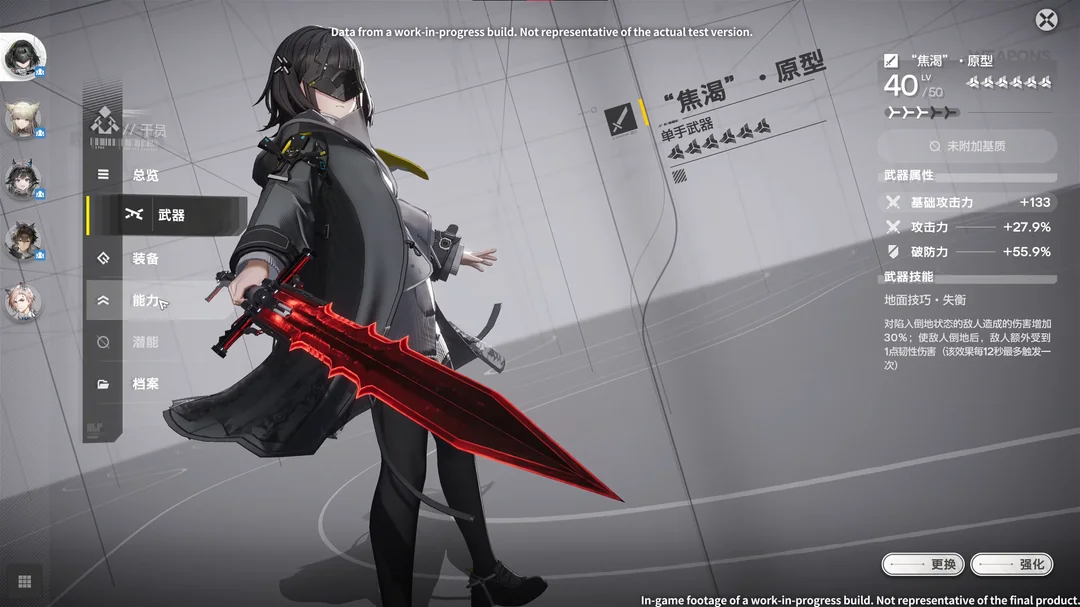
What Is the Weapon Meta in Arknights: Endfield?
Weapon meta is the set of choices that wins most fights with the least friction. It’s not only “highest numbers.” It’s also:
- How often your weapon effects trigger
- How long you can keep dealing damage without gaps
- How well your weapon matches your role and rotation
- How much power you unlock through upgrades and essences
That’s why two players can use the “same” operator and still get very different results. One has a weapon that stays online and triggers often. The other has a weapon that looks strong on a tier list but rarely delivers in live combat.
Buy services for
Arknights: Endfield!
Get help with the parts of the game that take the most time. Browse available services or place a custom order.
Order
Why Your S-Tier Operator Feels Weak: 4 Weapon Problems That Kill DPS
Common uptime drains: long repositioning windows, gaps in rotation where no one is hitting, weapons that take too long to “start paying off”, fights that constantly break your flow
10-Minute Weapon Audit: How to Fix Low DPS in Arknights: Endfield
This is a quick check you can run without spreadsheets. You only need one consistent fight or a stable training target.
Start by defining your role in one sentence: Main DPS (stays on-field often), Burst DPS (short damage windows), Sub DPS (swap-in, do a job, swap-out), or Support (buff, debuff, utility). Write it down so your weapon choice stays aligned with what your operator actually does.
Next, measure real uptime. Use a timer for 60–90 seconds and estimate how many seconds you are actively attacking. If uptime is lower than you expected, you’ll get more value from weapons that pay out quickly and stay useful even when fights break your rhythm.
Then check passive triggers. Pick the weapon passive you care about and count how often it triggers in that same window. You’re looking for a pattern, not a perfect number: frequent triggers usually mean the weapon fits your combat flow, while rare triggers often mean the condition is hard to meet with your current team and rotation.
After that, do a fast essence compatibility check. Make sure your essences support the weapon’s main output and the effects you actually use in fights, and that you’re investing into a weapon you plan to keep for a while rather than spreading resources too thin.
Finally, choose one fix path and commit to it for a few runs: switch to a weapon with easier triggers, keep the weapon and add a team enabler that helps meet its condition, or focus upgrades on one weapon until you hit a strong breakpoint.
Best Weapon Choice by Role: Main DPS, Burst DPS, Sub DPS, Support
Main DPS
- You want stable value per second and passives that trigger naturally.
- Priorities: consistency, easy triggers, smooth flow
- Watch for: weapons that require strict setup every rotation
Burst DPS
Your value comes from short windows, so the weapon must pay out quickly.
- Priorities: fast triggers, front-loaded bonuses, short-window payoff
- Watch for: effects that ramp slowly or demand long time on target
Sub DPS
You swap in briefly, so your weapon needs value fast.
- Priorities: quick activation, reliable passives, low setup cost
- Watch for: weapons that only feel good after extended field time
Support
Supports want weapons that help the plan and keep fights controlled.
- Priorities: reliable triggers, team value, utility synergy
- Watch for: selfish damage weapons that add little to your team’s goal
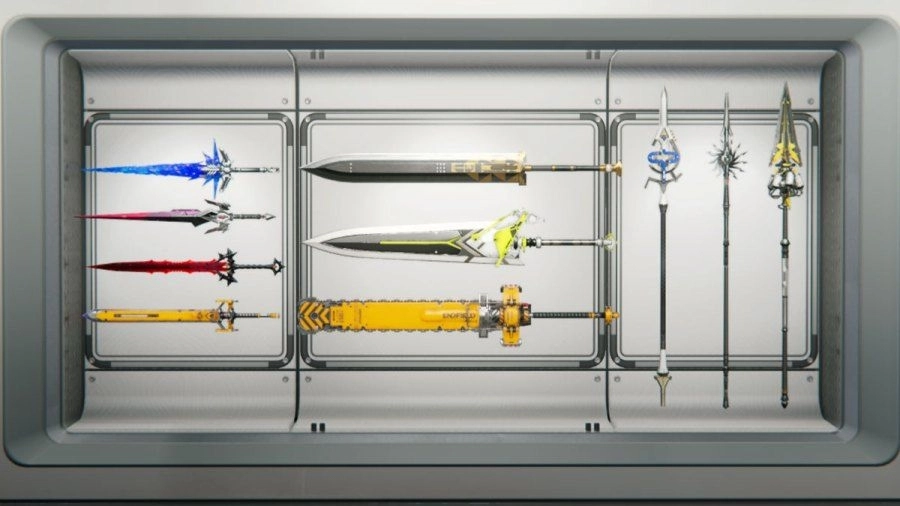
Arknights: Endfield Weapon Types Explained (Sword, Great Sword, Polearm, Handcannon, Arts Unit)
Weapon type matters because it shapes pacing: range, hit rhythm, and how easy it is to keep uptime.
Use weapon types as a simple filter: “How does this type behave in a real fight?”
- Sword: usually comfortable pacing and flexible rotations
- Great Sword: tends to reward commitment and timing; feels best when fights allow steady contact
- Polearm: often fits fast sequences and repeatable pressure
- Handcannon: usually values spacing and clean windows; performance depends on fight control
- Arts Unit: often ties closely to skill usage and synergy planning
You don’t need deep theory here. You need one practical match: weapon behavior should fit the role and the fight tempo you face most often.
Role-to-Weapon Checklist (Table): What to Optimize and What to Avoid
| Role | Optimize first | Avoid this trap |
|---|---|---|
| Main DPS | uptime + easy procs | hard conditions you rarely meet |
| Burst DPS | fast triggers | slow ramp that wastes your window |
| Sub DPS | short-window value | effects that need long field time |
| Support | reliable team value | selfish damage with weak synergy |
Weapon Tier List vs Real Meta: Best Weapon vs Best Fit
Tier lists help you find popular picks and strong options. Real results depend on fit.
A high-ranked weapon usually assumes:
- a team that supports its condition
- a rotation that keeps it active
- enough upgrades to reach meaningful power
- an essence setup that pushes the same goal
Your best fit weapon is the one that keeps uptime high and triggers reliably in the fights you actually run. When you test proc rate and uptime, you stop guessing.
Buy services for
Arknights: Endfield!
Get help with the parts of the game that take the most time. Browse available services or place a custom order.
Order
