











Contracts are the backbone of everything you do in Marathon. They decide where you run, what you loot, who you fight, and how fast your Runner grows. Skip them, and you’ll spend dozens of hours stuck in the same gear loop while everyone else snowballs ahead. Prioritize them, and each run has a clear purpose — even when things go sideways.
This guide covers every type of contract in Marathon, breaks down all six factions and what they actually want from you, and gives you practical tips for completing objectives efficiently without throwing your run away. Whether you’re loading in for the first time or already grinding reputation on day one, you’ll find something useful here.
Marathon launched on March 5, 2026 ($39.99). The game is a PvPvE extraction shooter set on Tau Ceti IV — a derelict colony full of rival Runners, hostile UESC security forces, and six competing factions who all want a piece of you.
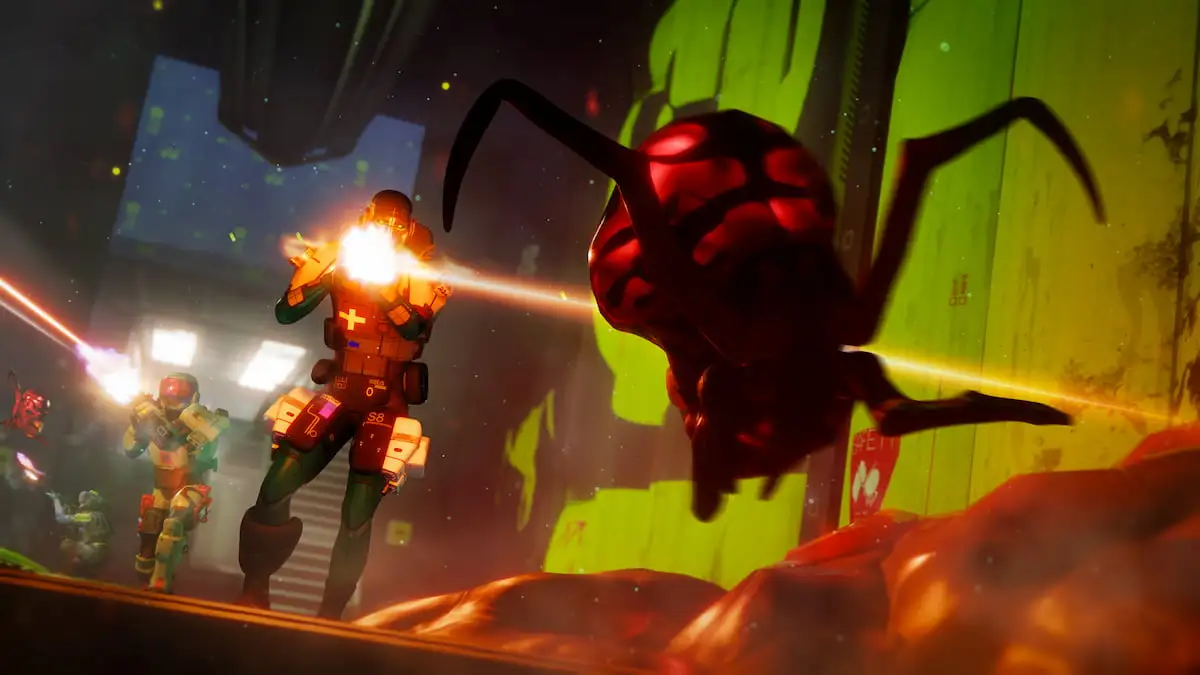
What Are Contracts in Marathon? The Core Progression System Explained
Before a run begins, you pick one contract from any of the six factions. That contract gives you a specific goal to complete during the raid — kill a number of enemies, loot certain items, scan a terminal, blow something up. Complete the goal, exfil successfully, and you get rewarded with gear, reputation, and progression toward permanent season-long upgrades.
The key thing to understand: you can only hold one active contract at a time, and every objective in that contract must be finished in a single run. There’s no carrying progress between sessions. If you die before exfilling, you lose both your loot and the contract progress.
This creates real tension on every run. You’re not just hunting for loot — you’re trying to stay alive long enough to actually finish the job.
Buy services for
Marathon!
Get help with the parts of the game that take the most time. Browse available services or place a custom order.
Order
Marathon Contract Types Explained: Standard, Boosted, and Priority Missions
Marathon has three contract tiers, and knowing the difference between them will save you a lot of confusion.
| Contract Type | Repeatable? | Difficulty | Main Purpose |
|---|---|---|---|
| Standard | Yes | Low–Medium | Day-to-day rep grinding and gear rewards |
| Boosted | Yes | Medium–High | Better rewards, more specific requirements |
| Priority | No (one-time) | High | Faction rank progression + story lore |
Standard contracts are your bread and butter. They’re repeatable missions that send you after straightforward goals — collect a resource, hack a terminal, eliminate a certain type of enemy. Good for steady rep accumulation across sessions.
Boosted contracts work the same way, but the requirements are more specific and the rewards are noticeably better. If you’re confident in your ability to complete a run without dying, boosted contracts are worth the extra risk.
Priority contracts are in a category of their own. These are one-time missions directly tied to a faction’s story. Completing them is required to advance your Faction Rank past certain milestones, meaning they’re not optional if you want to unlock the best upgrades. They also reveal lore about what’s actually happening on Tau Ceti IV, so they’re worth doing for the story alone. Treat each Priority Contract like a dedicated run — plan your loadout around it, know your landing zone, and don’t accept it on a night when you have 20 minutes to play. Failing to exfil means starting from scratch, and there’s no second chance on the same mission.
How Faction Reputation and Upgrades Work in Marathon
Each faction has its own reputation track with seven levels to climb. Completing contracts earns Rep, which fills the bar automatically — no manual spending required. Hit a milestone, and you unlock reward packages plus new, better contracts.
Every faction also has an upgrade tree. These upgrades are permanent for the duration of the season and apply to all your runs. They include things like increased vault space, faster cooldowns, better starting loadouts, and unique stats tied to each faction’s specialty. You spend Credits and specific salvage materials to unlock them, so keeping an eye out for the right resources during runs matters a lot.
You can work with all six factions simultaneously. There’s no penalty for spreading your efforts around, and the game actively rewards it. The tradeoff is opportunity cost — focus on one faction and you rank up faster, spread thin and you rank up slower everywhere. Most experienced players recommend going deep on two or three factions that match their Runner class before branching out.
One more important mechanic: if your teammates complete faction-based objectives during a run, you earn a bonus reputation reward. Running with a squad that has overlapping or complementary faction goals is a legitimate strategy for faster progression.
All 6 Marathon Factions: Agents, Contract Objectives, and Upgrade Rewards
Here’s a breakdown of every faction in Marathon — what they want, who represents them, and what their upgrades focus on.
CyberAcme — The Tech Utility Pick
CyberAcme is the corporation behind the consciousness-upload technology that keeps Runners coming back after every death. Their AI handler, ONI, sounds almost friendly — until you realize the entire operation is built on monetizing mortality.
As a faction, CyberAcme leans into utility. Their contracts involve a mix of general tasks that help the corporation expand its operations across Tau Ceti: extracting valuable materials, interfacing with terminals, and recovering lost tech. Nothing too extreme. Their upgrades focus on cooldown reduction, inventory efficiency, and vault space — making them the most forgiving faction for new players.
If you’re not sure where to start, CyberAcme is the default right answer.
NuCaloric — The Lore Hunters
NuCaloric Agricultural presents itself as a company that exists to “feed, clothe, and supply humanity with its most basic needs.” Their representative, Gaius — a pink, expressionless face with an oddly measured voice — is one of the stranger characters you’ll meet on Tau Ceti.
Their contracts dig into why the original Marathon expedition failed a century ago. Expect missions around scanning ruins, recovering historical data, and investigating remnants of the colony. The style is more investigative than combat-heavy.
Upgrade-wise, NuCaloric improves Revive Speed, Agility, and Hardware — useful if you value staying mobile and recovering from bad situations quickly. Their Black Market also stocks backpacks, which increases your loot capacity per run.
Traxus — The Gear Faction
Traxus is the wealthiest faction on Tau Ceti, operating from the shadows and extracting resources to recoup its losses from the failed UESC Marathon mission. Their agent, Vulcan, sends you on missions focused on resource salvage, supply chain disruption, and recovering specific weapons and weapon mods.
Traxus upgrades center around firewall, finisher siphon effects, and heat management — plus access to shields through the Black Market. If you’re playing Destroyer, Traxus is worth prioritizing early because their shield access directly reduces how much you spend on implants.
Their contracts often have you hunting specific weapon types, which naturally builds your loadout as a side effect of chasing rep.
MIDA — The Chaos Agents
MIDA started as a political party on Mars and became a terrorist organization after years of feuding with the UESC. They want the colony burned to the ground — every contract reflects that. Their agent, Gantry, will ask you to destroy infrastructure, upload malware into UESC systems, blow up supply ships, and generally cause as much chaos as possible.
MIDA contracts are built for players who enjoy indirect aggression: sabotage, disruption, and creating bad situations for other Runners rather than stacking raw kills. Explosive-focused bonuses and objective damage perks define their upgrade tree.
Playing MIDA means thinking about how to destabilize a zone rather than how to dominate it. It’s a different kind of skill set.
Arachne — The PvP Death Cult
Arachne is exactly what it sounds like. A death cult obsessed with the thermodynamics of violence. Their agent, Charter, wants you to kill other Runners — streaks, specific targets, high-traffic zones. The entire faction is built around PvP aggression.
Their contracts push you directly into conflict with enemy Runners, which is either thrilling or terrifying depending on your experience level. The rewards lean into combat stats, weapon access, and faster time-to-kill. Arachne doesn’t help you survive — it makes you more dangerous to others.
This is the faction for squads who already know how to win gunfights. If you’re still learning the maps and mechanics, Arachne will punish you for it.
Sekiguchi Genetics — The Resilience Specialists
Sekiguchi is the company behind the WEAVEworm technology that creates the Runner Shells — the biomata bodies that players inhabit. Their representative, Nona (a white, winged insect with red eyes and multiple arms), is one of the more unsettling faction agents in the game.
Sekiguchi’s contracts involve bringing them documents and lost media recovered from Tau Ceti IV — research-focused rather than combat-heavy. Their upgrades focus on biological modification and post-death recovery: better baseline stats after respawn, improved resilience, and the ability to outlast opponents rather than outgun them.
Sekiguchi is especially strong for solo players. Mistakes are less punishing, and you recover faster between engagements. Note that Sekiguchi was not available during the Server Slam — it joins at full release on March 5.
| Faction | Agent | Contract Focus | Best For |
|---|---|---|---|
| CyberAcme | ONI | General utility, tech retrieval | New players, all-rounders |
| NuCaloric | Gaius | Lore investigation, scanning | Mobility builds, lore fans |
| Traxus | Vulcan | Resource salvage, weapon hunting | Gear-focused, Destroyer class |
| MIDA | Gantry | Sabotage, destruction, disruption | Tactical players, anti-UESC runs |
| Arachne | Charter | Runner kills, PvP streaks | Aggressive squads, PvP mains |
| Sekiguchi | Nona | Data recovery, research docs | Solo players, resilience builds |
How to Complete Marathon Contracts Efficiently: Tips for Every Run
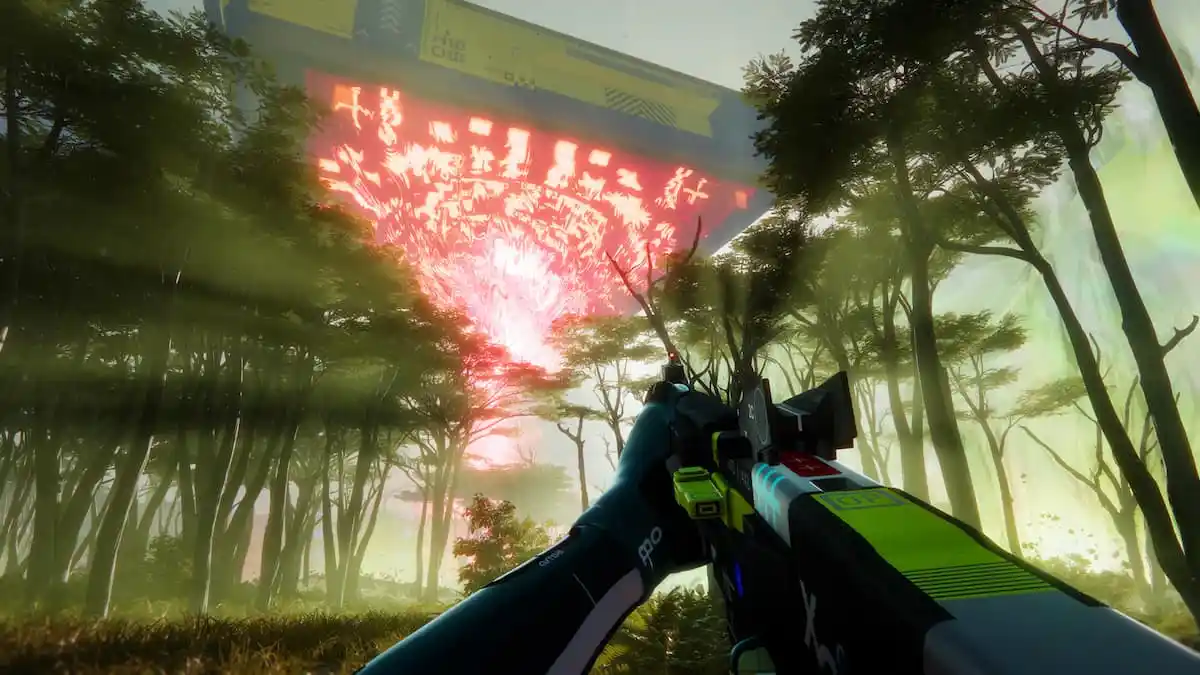
Knowing what your contract asks for before you drop into a run sounds obvious, but a lot of players overlook how important it is to plan around the objective. Here’s how to get it right more often.
- Match your contract to your landing zone. Some objectives are tied to specific areas of the map. Landing far from your target wastes time and exposes you to enemies before you’re ready.
- Prioritize contract objectives over looting early. Loot on your way to the objective, not before it. If you die chasing random pickups, the contract is gone.
- Run with squadmates whose contracts overlap. If two players are both doing NuCaloric investigation missions, you naturally end up in the same zones, supporting each other while each earns separate rewards.
- Don’t ignore your faction agent’s upgrades early. Faction upgrades compound over time. The player who invests in the upgrade tree in week one will have meaningfully better passive stats than someone who waits until week three.
- For Boosted contracts, wait until you have a solid loadout before accepting them. The requirements are tighter and the enemies are more dangerous. Going in underequipped is usually a wasted run.
- Priority contracts deserve full focus. Treat them like a dedicated mission rather than something you complete alongside other goals. They’re one-time only — there’s no retry if you fail to exfil.
Best Faction to Start With in Marathon: Which One Is Right for Your Playstyle?
The short answer is CyberAcme. Their contracts are broadly applicable, their upgrades make early runs more forgiving, and ONI eases you into the system without demanding too much. If you’re new to extraction shooters, CyberAcme gives you room to learn without getting punished constantly.
If you already have experience with the genre and know how to play aggressively, Arachne or MIDA are strong early investments because their rewards directly improve your ability to win fights — and fights are unavoidable on Tau Ceti.
For solo players or anyone who expects to die a lot while learning, Sekiguchi makes the deaths less punishing. The resilience upgrades and post-respawn stat buffs effectively compress the learning curve.
Regardless of which faction you start with, don’t ignore the others completely. Every faction’s upgrade tree has something worth unlocking, and rep earned with one faction doesn’t limit your access to others. Specialization is good; tunnel vision is not.
Marathon Contracts Mistakes That Kill Your Progression (And How to Fix Them)
A few patterns come up constantly among new players that slow down progression significantly.
- Picking up a contract without reading it. You only have one active slot, and switching means losing progress. Read the full objective before you commit.
- Treating contracts as secondary to looting. In Marathon, reputation is a longer-term asset than any single piece of gear. A run where you die with loot is worse than a run where you exfil empty but with contract progress.
- Neglecting Priority Contracts. They’re the only way to push your Faction Rank past certain milestones. Players who skip them hit a wall eventually and have to go back — by which point the runs are harder because they’re under-leveled for the zones.
- Spreading rep across all six factions too early. The upgrade tree synergies only kick in once you’re at a meaningful rank. Diluting your rep across all six factions in the first few weeks means you’re slightly better everywhere but good nowhere. Pick two or three and go deep.
- Ignoring the seasonal reset. All faction progression resets each season (roughly every three months). Don’t save upgrades for “later” — spend what you earn as you go.
Buy services for
Marathon!
Get help with the parts of the game that take the most time. Browse available services or place a custom order.
Order
Marathon Contracts in 2026: What to Focus on First and What to Build Toward
Contracts aren’t just a side system in Marathon — they’re the spine of the entire progression loop. Every run without an active contract is a run where you’re leaving rep and upgrade potential on the table.
The faction system rewards players who think ahead, run with purpose, and invest consistently. You don’t need to pick one side and stick to it forever, but you do need to pick a direction and actually commit to it for a few sessions before branching out.
As more contract types and faction story details emerge after the full March 5 launch, this guide will be updated to reflect them. Check back after the first major patch.
