











Crimson Desert looks manageable at first. You swing, enemies fall, and the game doesn’t push back much. Then around the third or fourth boss, that changes fast. Suddenly timing matters, resources vanish before you expect them to, and you’re watching the death screen more than the actual fight.
The combat system here is deep on purpose. Pearl Abyss designed it to reward players who understand how the pieces connect — parrying into counters, switching weapons mid-combo, stealing moves from enemies mid-fight. Once that clicks, the whole game opens up.
This guide covers every part of the fighting system: how defense actually works, how to build damage through combos and grapples, and how the skill progression system feeds directly into your combat options.
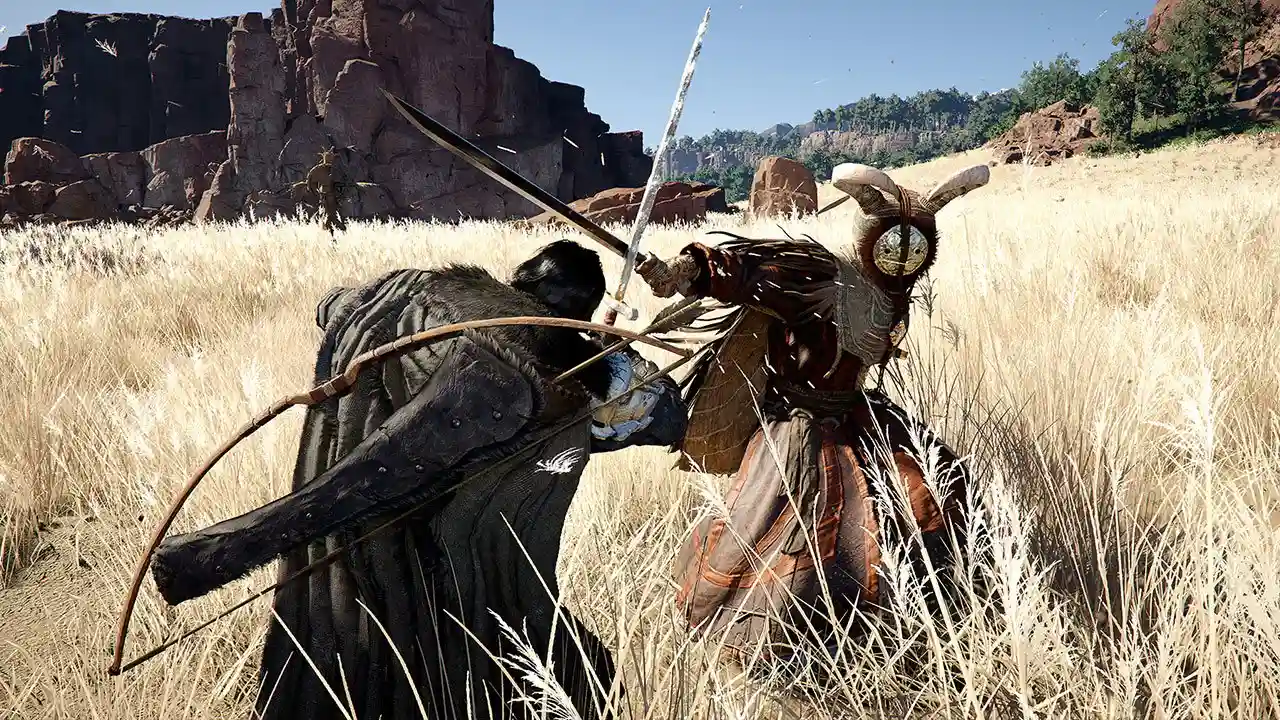
What Makes Crimson Desert's Combat System Different
Most action RPGs lock you into a class from the start. Crimson Desert doesn’t work that way. Kliff Macduff — the main protagonist — can freely switch between weapon types, mix in unarmed grappling moves, and layer different attacks together in real time. All unlocked skills are available at all times with no slot limits. You access them through button combinations, directional inputs, and what state you’re currently in — mid-air, after a dodge, while sprinting, and so on.
The result is that two players using the same character can fight completely differently depending on which skills they’ve unlocked and which combos they’ve built into muscle memory.
Buy services for
Crimson Desert!
Get help with the parts of the game that take the most time. Browse available services or place a custom order.
Order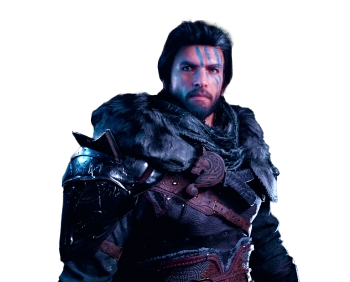
Kliff, Damiane, and Oongka: Combat Roles Explained
You control three characters across the game. Kliff is the main one — flexible, grapple-focused, and the character you’ll spend the most time with. Damiane is built around high damage and mobility, using a rapier and pistol. She hits hard but takes hits poorly. Oongka is an Orc with a two-handed axe, slower but devastating in groups through AOE.
| Character | Combat Style | Strength | Weakness |
|---|---|---|---|
| Kliff | All-rounder | Grappling, weapon flexibility | Requires active skill investment |
| Damiane | Glass cannon | High burst damage, agility | Low defense |
| Oongka | Bruiser | AOE crowd control, sustain | Less mobility |
One thing worth knowing early: Stamina, Health, and Spirit upgrades are shared across all three characters. If you raise Kliff’s Health, that carries over to Damiane and Oongka too. That changes how you think about early stat investment.
How to Master Defense in Crimson Desert: Block, Parry, and Dodge
Before you think about offense, get comfortable with defense. The game gives you three options, and knowing when to use each one matters more than anything else in the early hours.
Lock-On Modes: Which One to Use
Crimson Desert has two lock-on modes, and they serve different situations.
- Hard Lock (D-Pad Down / Caps Lock on PC) sticks to one chosen target and keeps them centered even in a crowd. Use this for duels and boss fights.
- Soft Lock (hold L1 / hold Ctrl on PC) automatically targets the nearest enemy while guarding and switches to whoever’s attacking you. It’s better when you’re surrounded and need to parry from multiple directions.
You can switch between them freely during combat. Most players end up defaulting to Soft Lock for group encounters and Hard Lock for bosses.
Crimson Desert Combo System: How Chaining Attacks Actually Works
Forget about a skill hotbar. Crimson Desert’s attacks come from directional inputs combined with light and heavy attack buttons. Forward + light attack gives you a different move than backward + light attack. Chaining them in sequences produces combo finishers that wouldn’t happen from individual presses.
Some skills only activate in specific states. Kliff’s Evasive Shot fires after a dodge. Mounted Charge only works on horseback. A mid-air heavy attack becomes something different than the same input on the ground. Learning which moves unlock which states — and then chaining them intentionally — is the core skill of advanced play.
Quick Swap: How to Switch Weapons Mid-Combo
Once the Armed Combat skill reaches Level 5, you unlock Quick Swap. This lets you cycle between equipped weapons instantly without breaking your attack chain. You can open a fight with a spear, close the gap, swap to twin blades, and end with a grapple throw — all in one unbroken sequence.
Damiane and Oongka can swap weapons freely from the start. Kliff specifically needs Quick Swap unlocked to do it cleanly. It’s one of the first skills worth investing in.
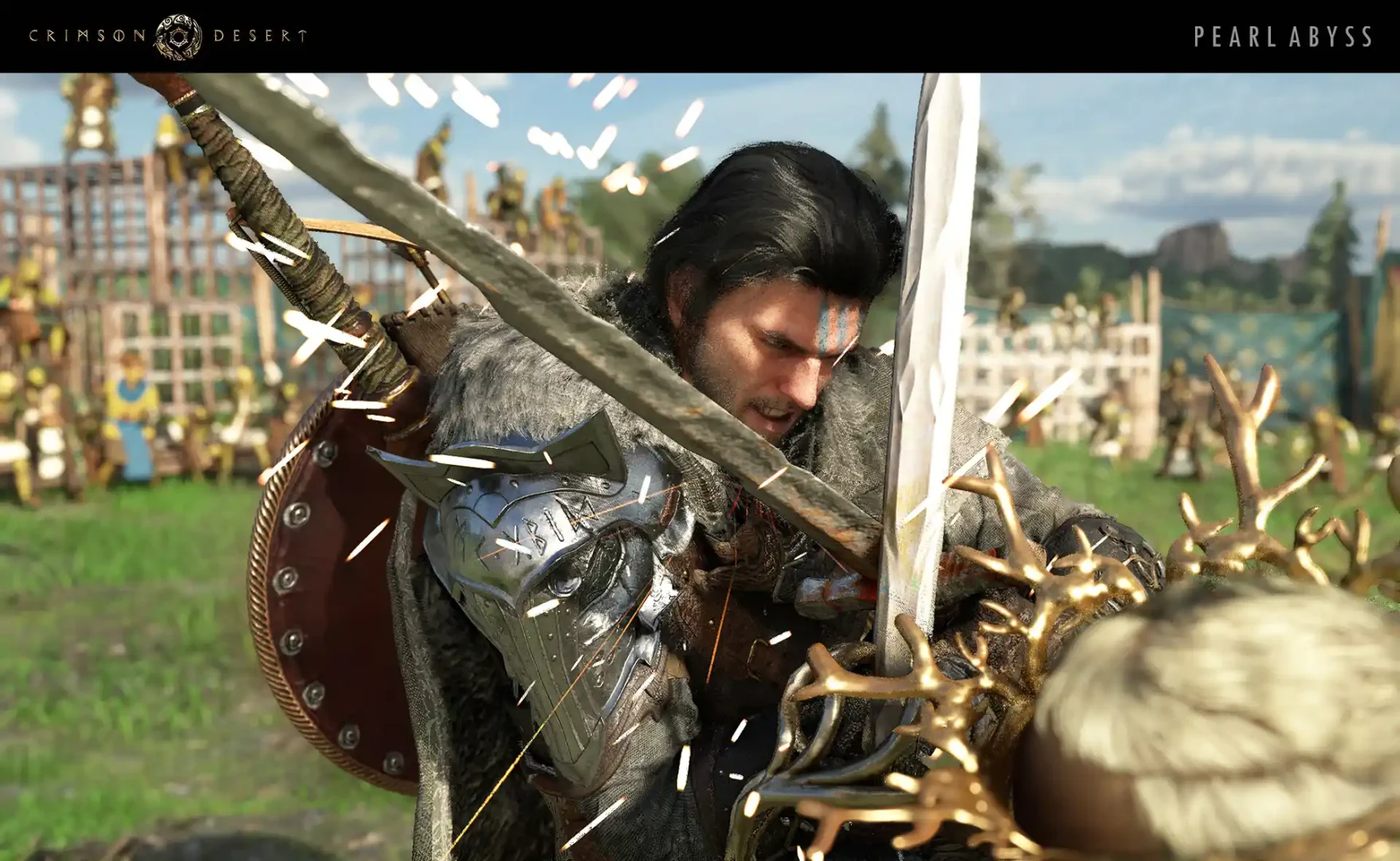
Crimson Desert Grappling System: How to Use Grabs and Environmental Kills
The grappling system is the part of Crimson Desert’s combat that most people underestimate until they start using it consistently.
When an enemy is staggered or low on health, you can grab them and use the environment. Aim toward a wall or a cliff edge and Kliff slams them into the surface for heavy damage. Sprinting at an enemy and pressing Grab pins them to the ground for follow-up strikes. From behind a grabbed enemy, you get a Suplex that sends them into the ground hard enough to affect nearby enemies.
You can also grab enemies who are on horseback, pull them off their mount, steal it, and immediately use it to trample the people around you. It’s genuinely one of the most efficient ways to break up a cavalry group.
Grappling has its own upgrade path. Reaching Grappling Level 2 unlocks Lariat — a ground-slam that hits multiple enemies at once. The Clothesline move (sprint + Grab) hooks enemies and launches them. Both are worth picking up once you’ve covered your defensive basics.
Stamina, Spirit, and Mettle: Managing Your Resources in Combat
Stamina covers movement and defense — dodging, blocking, sprinting, and climbing all pull from the same bar. The important exception: normal strikes don’t cost Stamina at all. Learning which combo chains are Stamina-free lets you stay in the fight longer without burning out on basic attacks.
Spirit fuels your active skills. Most of Kliff’s signature abilities spend Spirit on activation. The Spirit tree upgrades how much you have and how efficiently it regenerates.
The gold bar under your Health is Mettle. It fills up through successful hits, parries, and dodges — basically by playing well. Once it’s built up, you can spend it on more powerful abilities, including moves that call in a squad member for a coordinated strike. Managing Mettle well is the difference between a fight that feels controlled and one that doesn’t.
Crimson Desert Skill Tree Guide: Abyss Artifacts and the Watch and Learn System
There are no experience points in Crimson Desert. Character progression runs through two things: the Abyss Tree (which you unlock using Abyss Artifacts as currency) and the Watch and Learn system (where you learn skills by observing enemies and NPCs perform them).
The Abyss Tree has three branches:
- Health (Red) — scales your health pool and unlocks elemental abilities through the Axiom Bracelet. Goes up to Level 18.
- Stamina (Blue) — governs how much you can dodge, block, and sprint. Caps at Level 14. Also contains core offensive skills like Armed Combat and Grappling.
- Spirit (Green) — increases skill power and unlocks abilities like Counter, Dodge, and Parry. Caps at Level 12.
Each skill upgrade costs one Abyss Artifact. Fully maxing a single skill to Level 5 costs five Artifacts total.
How Watch and Learn Works
This mechanic is one of the more clever things in the game. When an enemy performs a move that Kliff can absorb, the screen tints blue and a “Learning in Progress” bar appears in the top-left corner with a counter — something like 1/3 or 2/3. Let it fill and Kliff learns the skill permanently at no cost.
Skills learned this way survive a full skill reset. When you respec using a Faded Abyss Artifact, only skills you bought with Artifacts get refunded. Observed skills stay regardless.
There’s a practical upside here: if you already spent an Artifact on a skill and then observe it from an enemy, you get the Artifact back. Some skills also can’t be unlocked through the tree at all without observing them first — the observation is a mandatory step before the Artifact option even appears.
A few things to keep in mind:
- Getting hit while the Learning bar is filling cancels the progress
- Skills marked “observe this skill in action to learn it” in the tree are prime candidates to save your Artifacts on
- Bosses almost always have at least one phase-transition move that triggers an observation prompt — and it only happens once per phase, so don’t miss it
Where to Spend Abyss Artifacts Early
The most common mistake is blowing early Artifacts on flashy combat skills that you could learn for free by watching enemies. A better approach: put your first Artifacts into Health and Stamina stat upgrades. The combat skills you want most can often be watched and learned from enemies — especially if you’re running into them anyway.
The Keen Senses skill is an early exception. It unlocks Dodge and Parry, which you want as soon as possible. Get Keen Senses to Level 3 quickly. After that, invest in Health until you have enough breathing room to survive the early bosses while learning their patterns.
How to Use the Environment in Crimson Desert Combat
The world reacts to what you do in it. Enemies track elevation and terrain, and you can exploit both constantly.
- Throw enemies into fire traps or off cliff edges for instant kills
- Topple structures onto grouped enemies during large fights
- Use trees as improvised catapults — pull one back and launch Kliff into an enemy base for a surprise drop attack
- Ignite environmental traps to clear clusters without spending Stamina on individual hits
Bosses expand this further. Every boss tests a specific part of your toolkit. Humanoid bosses like Staglord run on parry-counter timing — they’re basically one-on-one duels where reading attack patterns is everything. Beast bosses like the White Horn require climbing mechanics and more environmental awareness. The approach that works on one type will get you killed on another.
Phase transitions are worth special attention. When a boss’s HP bar drops to a new threshold, they almost always perform a unique animation that carries an observation prompt. That window only appears once per phase. If you miss it, it’s gone for that run.
Biggest Combat Mistakes to Avoid in Crimson Desert
Some of these are obvious in hindsight. Others take a few hours of dying to notice.
Buy services for
Crimson Desert!
Get help with the parts of the game that take the most time. Browse available services or place a custom order.
Order
Quick Recap: Core Combat Rules That Actually Matter
Crimson Desert’s combat doesn’t ask you to be faster. It asks you to pay attention. The parry window, the observation prompts, the weapon transitions mid-combo — none of it is hard once you know it’s there. The game just doesn’t always tell you when something important is happening.
Build your defensive foundation first. Learn moves from enemies instead of buying them. Save your Artifacts for skills that can’t be observed. Once those habits are in place, the combat stops feeling like something you’re surviving and starts feeling like something you’re controlling.
