











GvG in Etheria: Restart, known in-game as United Front, is where your union puts its roster to the real test. It’s not about who has the flashiest single team. It’s about how well you split your best units across attack and defense roles, and how smart your garrison order is when the enemy union comes knocking.
This guide breaks down how United Front works, how garrison placement changes the outcome of a match, and how to build attack and defense teams that actually hold up under pressure. You’ll also find the most common setup mistakes players make and a few quick fixes to raise your union’s overall GvG score.
Whether you’re setting up your first defense team or trying to squeeze more value out of your union’s roster, this guide covers what matters for United Front specifically, without wasting time on content that has nothing to do with GvG.
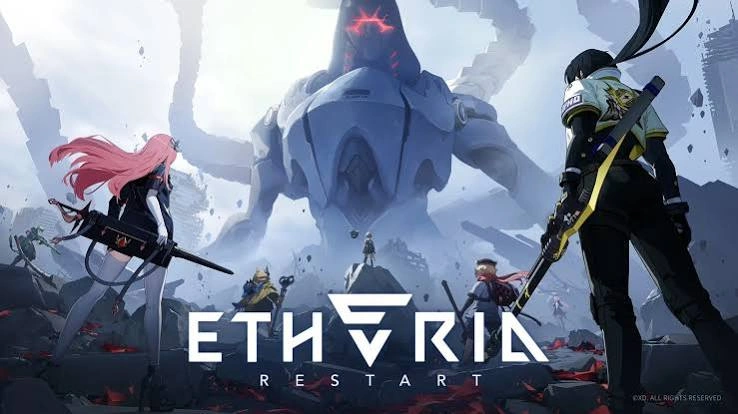
What Is GvG (United Front) in Etheria: Restart?
United Front is Etheria: Restart’s guild-vs-guild mode. Two unions face off, and each member contributes teams to either attack the opposing union or defend their own garrison. The union that breaks through more enemy defenses, or holds its own garrison longer, wins the round.
Unlike solo PvP modes like Etherena or Summit Arena, United Front is a team effort. Your individual performance matters, but the real outcome depends on how well the whole union coordinates. One weak garrison slot can undo the work of ten strong ones, so union-wide planning is just as important as your personal team building.
Rewards from United Front usually scale with how far your union pushes and how well it defends. That makes every garrison assignment worth thinking through, not just filling with whatever team is sitting idle.
Buy services for
Etheria: Restart!
Get help with the parts of the game that take the most time. Browse available services or place a custom order.
Order
Garrison Setup in Etheria: Restart: How It Works
Your garrison is a row of defense slots that attacking players from the enemy union have to break through one by one. Each slot holds one team, and the order you place those teams in changes how the whole garrison plays out.
Garrison Node Buffs Explained
Certain garrison positions carry buffs that apply to the team sitting in them. These can boost stats like defense, resistance, or turn meter for the defending team. Because these buffs are tied to the slot and not the team, the union needs to figure out which positions give the strongest bonuses and put its toughest teams there.
Assigning the Right Team to Each Garrison Slot
Don’t place your best team in the first slot just because it’s the strongest. Attackers usually scout the whole garrison before picking a target, so an obvious “best team first” pattern gets exploited fast. A better approach:
- Put a durable, hard-to-punish team in the earliest slots to slow down attackers and waste their first attempts.
- Save your strongest all-around team for a middle or late slot, where a tired or under-geared attacker is more likely to fail.
- Avoid placing two teams with the same weakness next to each other. If one comp folds to burst damage, don’t put another burst-vulnerable comp right beside it.
How to Build a Strong Defense Team for GvG
A defense team in United Front doesn’t need to win outright. It needs to survive long enough to burn the attacker’s turns, resources, or patience. That’s a different goal than a PvE clear team, and it changes which units and stats you prioritize.
Best Roles for Defense Comps
Strong defense teams usually lean on a mix of the following:
- Tanks and counterattackers who punish attackers for going aggressive and soak up damage that would otherwise hit your squishier units.
- Control units that stun, freeze, or block enemy actions, breaking the attacker’s turn order and forcing wasted cooldowns.
- Sustain units like healers or shield providers who keep the team alive through prolonged fights instead of folding to one big combo.
Avoid building a defense team entirely around one win condition. If an attacker figures out the single thing that beats your comp, the whole team goes down in one try. Spread out your defensive tools so there’s no single point of failure.
Garrison Placement Order for Maximum Stalling
Where you put a defense team inside the garrison matters as much as how you build it. Teams built for pure stalling work best in slots where attackers are already low on resources or have already used their strongest opener elsewhere in the garrison. Save your fastest, most punishing control team for a slot where a rushed attacker is likely to make a mistake.
How to Build a Strong Attack Team for GvG
Attack teams have the opposite job. Instead of surviving, they need to break through a garrison slot as fast and cleanly as possible, ideally before the defender gets a full rotation off.
Speed and Turn Order Priorities
Speed decides who acts first, and in GvG that often decides the whole fight. Before you commit to an attack team, check whether you want to:
- Outspeed the defense and shut them down before they can act, using fast control or burst units.
- Or out-sustain them in a longer fight if your team can’t reliably win the speed race.
Trying to do both with the same roster usually leaves you with a team that’s mediocre at either plan. Pick one approach and build the whole team around it.
Countering Common Defense Setups
Before attacking, scout the garrison. Most defense teams fall into a few recognizable patterns, and each one has a cleaner counter than a generic “high damage” team.
| Defense Archetype | What It Relies On | Recommended Attack Approach |
|---|---|---|
| Tanky counterattack team | Punishing your hits, soaking damage | Bring single-target burst or true damage to skip the counter loop |
| Control-heavy stall team | Stuns, freezes, turn meter denial | Prioritize speed and effect resistance to push through control |
| Healer-sustain team | Constant HP recovery, cleanses | Use anti-heal, defense shred, or burst that outpaces the healing |
| Shield-based team | Damage absorption through shields | Bring shield-piercing skills or stack debuffs to strip shields first |
Scouting before you attack costs nothing and saves you a wasted attempt on a garrison slot you weren’t built to beat.
GvG Team Roles: How to Balance Your Roster
A union that wins consistently at United Front doesn’t send ten copies of the same “best” team. It spreads roles across its roster so both attack and defense sides stay flexible. When you’re planning your own contribution, think about which of these roles you’re covering:
- Control — stuns, freezes, or turn meter manipulation that disrupts enemy plans.
- Burst — teams built to end a fight in one or two turns.
- Sustain — healers and shield providers that stretch fights out.
- Debuff — units that strip buffs, reduce defense, or block healing.
If your union already has plenty of burst attack teams, building another one adds less value than filling a control or sustain gap. Coordinate with your union before locking in your setup, especially before a match where garrison slots are assigned in advance.
Common Mistakes to Avoid When Building GvG Teams
Even experienced players fall into a few repeat mistakes in United Front. Watch out for these:
- Copying your best PvE team into a defense slot without checking if it holds up against real attackers.
- Placing your strongest team in the first garrison slot, where it gets scouted and countered immediately.
- Building an attack team with no clear win condition, hoping raw stats will carry the fight.
- Skipping the scouting step and attacking a garrison blind.
- Ignoring speed tuning on defense teams, letting attackers act first every single time.
- Running duplicate team archetypes across the union instead of covering different roles.
Buy services for
Etheria: Restart!
Get help with the parts of the game that take the most time. Browse available services or place a custom order.
Order
Tips to Boost Your Union's GvG Score
Small adjustments across your union’s approach tend to matter more than any single perfect team. A few things worth doing every round:
- Coordinate garrison assignments with your union so slots aren’t filled randomly or last-minute.
- Rotate defense team placement between rounds so opposing unions can’t memorize your garrison layout.
- Scout every target before attacking, even ones that look easy.
- Keep at least one dedicated stall team and one dedicated burst team ready, rather than relying on one flexible comp for everything.
- Review losses as a union. If the same garrison slot keeps falling, swap the team or its position instead of repeating the same setup.
United Front rewards preparation more than raw power. A well-placed mid-tier defense team can outlast a poorly positioned strong one, and a scouted attack almost always beats a blind swing. Get your union’s garrison order and role coverage right, and the results follow.
