












Season 2 is built as a three-step rollout. You get the main launch drop, then two timed updates that reshape the playlists and the “best thing to do right now.” If you like to plan your sessions, this season makes it easy, because every phase has a clear focus.
In this article, you’ll find the full Battlefield 6 Season 2 roadmap with confirmed dates, the phase names, and what each phase adds. You’ll also get a practical reading of the roadmap: what changes for normal players, what becomes time-sensitive, and what order makes the most sense if you play a few hours a week.
Battlefield 6 Season 2 release date and roadmap dates
Season 2 begins on February 17, 2026 at 4:00am PT (12:00pm UTC). After that, Season 2 continues through two major phase updates:
- Nightfall: March 17, 2026
- Hunter/Prey: April 14, 2026
These dates matter because the biggest traffic spikes happen right after each phase goes live. That’s when queues are fastest, lobbies are full of people learning, and limited-time modes feel most alive.
Battlefield 6 Season 2 phases (Extreme Measures, Nightfall, Hunter/Prey)
Season 2 is split into three phases:
- Extreme Measures — the Season 2 launch drop (Feb 17)
- Nightfall — the mid-season shift (Mar 17)
- Hunter/Prey — the late-season push (Apr 14)
Think of each phase as a reset point. Even if you took a break, you can jump in on the next phase and still get that “new season energy,” because the playlists and goals change again.
| Phase | Date | Main content you’ll notice | Best first priority |
|---|---|---|---|
| Extreme Measures | Feb 17 | Contaminated map, VL-7 psychoactive smoke, 3 weapons, 2 gadgets, AH-6 Little Bird + MH-350 return | Learn the new map flow, then play the VL-7 mode while it’s hot |
| Nightfall | Mar 17 | Hagental Base map, night theme, new events and limited-time modes, new Fort Lyndon POI | Play the new map early, then sample the Nightfall playlists |
| Hunter/Prey | Apr 14 | Operation Augur (limited-time), Portal updates, Bonus Path, LTV vehicle, new melee weapon | Queue Operation Augur first week, then clean up rewards |
How the Season 2 roadmap changes the best way to play
A three-phase season rewards timing more than long grind sessions. When a phase launches, you get a short window where the community is learning together. Routes are not “solved,” people experiment with new gear, and teamwork tends to be stronger because everyone wants wins on fresh content.
The other big effect is on limited-time modes. These modes usually have the healthiest matchmaking right after release. If you wait too long, you can still play them, but the mode often feels less consistent: fewer players in queue, more repeated opponents, and less variety in strategies. If you want the full experience, treat limited-time modes as “play soon” content.
A good season rhythm is simple: new map learning first, limited-time mode next, and only then progression cleanup (pass tiers, cosmetic goals, optional modes).
Extreme Measures (Feb 17) — Battlefield 6 Season 2 launch content and priorities
Extreme Measures is the main Season 2 launch drop. It introduces the season’s signature mechanic and sets the tone for how fights will look and feel for the next few weeks.
What’s new in Extreme Measures (Feb 17)
At launch, the roadmap highlights these additions:
- New Battlefield 6 map: Contaminated
- New tool: VL-7 psychoactive smoke (non-lethal, hallucinogenic effect)
- New gear: 3 new weapons and 2 new gadgets
- Vehicles: the AH-6 Little Bird returns, along with the MH-350
This is the phase where most players decide if the season “clicks.” Map knowledge and comfort with the smoke mechanic will matter more than perfect aim, because the early lobbies are chaotic and objectives swing quickly.
Contaminated map: what to learn first
When a new map drops, players often lose matches for one simple reason: they don’t know the safe routes yet. On launch week, you don’t need advanced tricks. You need a basic mental map so you stop walking into the same angles.
Here’s the fastest learning path that works on almost any Battlefield map:
- Learn two reliable routes from spawn to your main objective (one direct, one safer).
- Find one fallback spot you can hold when your team loses the point.
- Identify one vehicle lane that stays dangerous all match, so you don’t get surprised by air or ground pressure.
If you do only that, you’ll already feel more stable than most players in the first few days.
VL-7 psychoactive smoke: why it will shape Season 2 matches
VL-7 is designed to disrupt how players read a fight. Standard smoke blocks vision. Psychoactive smoke adds confusion on top of reduced visibility, which can change the tempo on objectives, especially in tight spaces and choke points.
In real matches, this tends to create three immediate patterns:
- Objective pushes get sharper. Teams throw VL-7 to force movement and break “stare-down” fights.
- Defenders lose clean information. Even strong positions become shaky when you can’t trust what you see.
- Squad play becomes more valuable. Simple callouts and tight spacing matter more when your screen becomes unreliable.
The best way to handle VL-7 is reps. A few matches is usually enough to stop panicking and start making better choices inside the smoke.
Battlefield 6 Season 2 limited-time modes at launch (why you should play them early)
Phase 1 includes limited-time content built around the new smoke mechanic. One highlighted mode is VL-7 Strike, and the roadmap also mentions a Redsec mode called Gauntlet Altered State.
You don’t have to become a mode specialist. The reason to try these early is practical: they teach you how players will use VL-7 on objectives. After that, even normal playlists feel easier, because you recognize the common smoke throws, the most dangerous entry points, and the places where flanks become stronger.
What to play first in Extreme Measures (launch-week order)
If you want an efficient Phase 1 plan that fits real life, use this order:
- Play Contaminated first until you can predict where the main fight forms.
- Queue VL-7 Strike for a short burst of “mechanic learning.”
- Rotate back to your main mode and use what you learned on regular objectives.
This sequence prevents the classic launch-week problem: spending all your time unlocking items, while still feeling lost on the map.
Make a breakthrough
in Battlefield 6!
Boost your progress in Battlefield 6 with services built to save time and unlock what matters most. Get started.
View services
Nightfall (Mar 17) — Battlefield 6 Season 2 mid-season update and content
Nightfall is the mid-season shift. It brings a new map and a darker theme across the season’s experiences, which changes how players move and how often fights turn into close-range chaos.
What’s new in Nightfall (March 17)
Nightfall adds:
- New Battlefield 6 map: Hagental Base
- Night-themed gameplay across Battlefield 6 and Redsec
- New events and limited-time modes
- New weapons
- M1030-1 dirt bike
- A new point of interest added to Fort Lyndon (Redsec)
This phase usually pulls players back who skipped the first month. New map + new atmosphere is a strong combo, so expect packed playlists and a quick “map meta” forming during the first days.
Hagental Base: what players should expect from a fresh mid-season map
Mid-season maps tend to become the most played content for a while, because the community funnels into them. That’s good news if you like learning with the crowd. You’ll see many different playstyles at once: squads pushing together, solo flankers trying to farm, and lots of players testing new weapons.
To get value from Hagental Base early, focus on two things:
- Where the fight repeats. Every map has two or three zones that become magnets. Find them fast.
- How the map handles close distance. Night themes and indoor routes often push players into shorter fights.
You don’t need perfect knowledge. You just want enough familiarity so you’re not reacting late every time your team shifts objectives.
Nightfall theme: what changes in normal matches
Darkness changes player behavior. People move slower in open spaces, flanks become more common, and teams rely more on short, confident pushes rather than long, careful duels. If you enjoy tactical squad play, Nightfall often feels more focused because random runs across open ground get punished quickly.
This phase is also a good moment to revisit your role choice. Aggressive entry roles can shine in tight areas, while support roles often become more important because revives and resupplies keep the push alive when visibility is reduced.
Hunter/Prey (Apr 14) — Battlefield 6 Season 2 late-season update and priorities
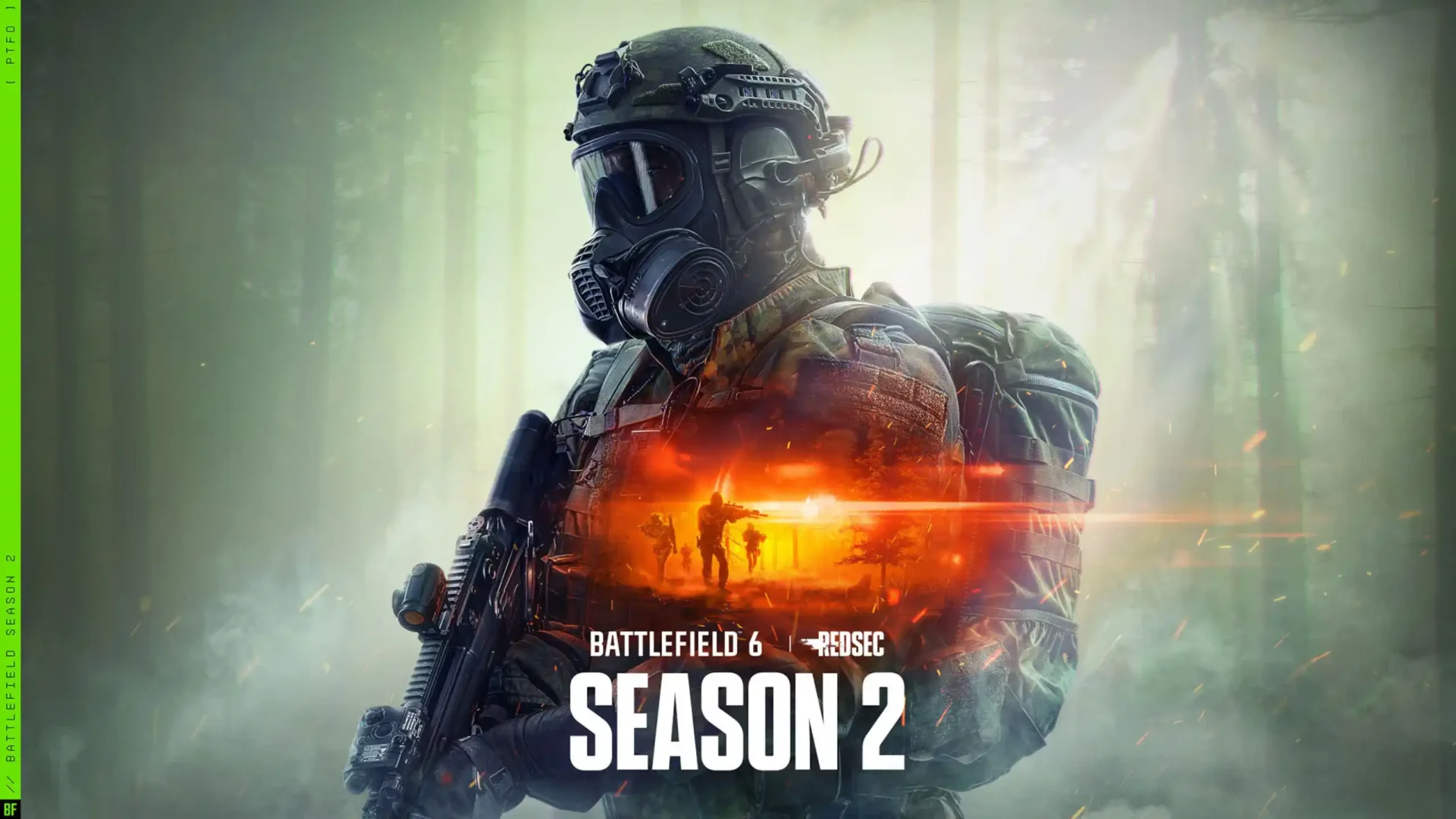
Hunter/Prey is the late-season push. Instead of another new map, it leans into a headline limited-time mode and feature updates that give players reasons to return and finish the season strong.
Operation Augur (limited-time mode): the key Phase 3 reason to log in
Operation Augur is the headline of Phase 3. If you only have energy for one late-season activity, this is the one to prioritize. Limited-time modes are strongest right after launch, when queues are healthy and the community is still exploring strategies.
In practice, Operation Augur also functions as a “fresh format” moment. Late-season standard playlists can feel repetitive once everyone knows the maps. A new mode gives you a different reason to coordinate and a different pace of fights, even if your aim and loadouts stay the same.
Portal updates, Bonus Path, and extra late-season content
Alongside Operation Augur, Hunter/Prey includes:
- Portal updates
- A Bonus Path added to the Season 2 battle pass
- A new vehicle: LTV
- A new melee weapon
This is the phase built for finishing. If you missed earlier weeks, the Bonus Path is a clean “catch-up” hook that makes late-season sessions feel meaningful, even if you are not chasing every challenge.
What the Battlefield 6 Season 2 roadmap means for players
Roadmaps can look nice on a graphic, but players care about the real outcome: how the season affects time, learning curve, and the feel of matches. Here’s the practical impact.
You can plan three “best weekends” and still feel the whole season
Many players don’t have time to log in weekly. Season 2 makes that easier because the phase dates are clear. If you show up near Feb 17, Mar 17, and Apr 14, you’ll experience the most important content with the highest community energy. You won’t feel like you arrived after everyone moved on.
The game will shift three times, even if your skill stays the same
Each phase pulls the player base toward different goals:
- Phase 1 pushes learning on a new map and adapting to a new smoke mechanic.
- Phase 2 pushes learning another map and adjusting to night-themed play.
- Phase 3 pushes a limited-time mode and feature updates like Portal and Bonus Path.
That means your “usual” playstyle may feel strong in one phase and weaker in another. It’s normal. The season is designed to create change without needing massive reworks every week.
Squad coordination becomes more valuable across the season
VL-7 smoke and night-themed play both reduce clean information. When information drops, teamwork rises in value. Players who stick near their squad, trade kills, and revive quickly tend to win more often, even if they are not top fraggers. If you’ve wanted a reason to play tighter with friends, Season 2 gives it naturally.
Vehicle players get a major spotlight at the start
The return of the Little Bird is a big deal for pilots and a big stress test for everyone on the ground. Early on, you’ll see plenty of risky flying and messy fights. Later, skilled pilots will start controlling open areas and punishing poor positioning.
If you love air play, Phase 1 is your moment. If you hate being farmed by helicopters, Phase 1 is also your moment, because that’s when learning counters is easiest—before the best pilots fully settle in.
Casual players and grinders both have a clear win condition
Casual players benefit from the roadmap because the “important days” are obvious. Grinders benefit because each phase creates fresh reasons to focus: new map mastery, new mode activity, then late-season reward paths and Portal updates. The season is structured so that progress can feel steady without forcing daily play.
Battlefield 6 Season 2 best play order (time-friendly plans)
If you only play on weekends
- Feb 17 weekend: Contaminated first, then VL-7 Strike
- Mar 17 weekend: Hagental Base first, then Nightfall limited-time modes
- Apr 14 weekend: Operation Augur first, then Bonus Path or Portal
If you play 30–60 minutes on most days
Use each phase’s first days for learning, then settle into what you enjoy:
- Early phase days: new map reps + one limited-time mode session
- Later phase days: normal playlists + unlock progress + optional content
This keeps your sessions feeling fresh without turning the season into a chore.
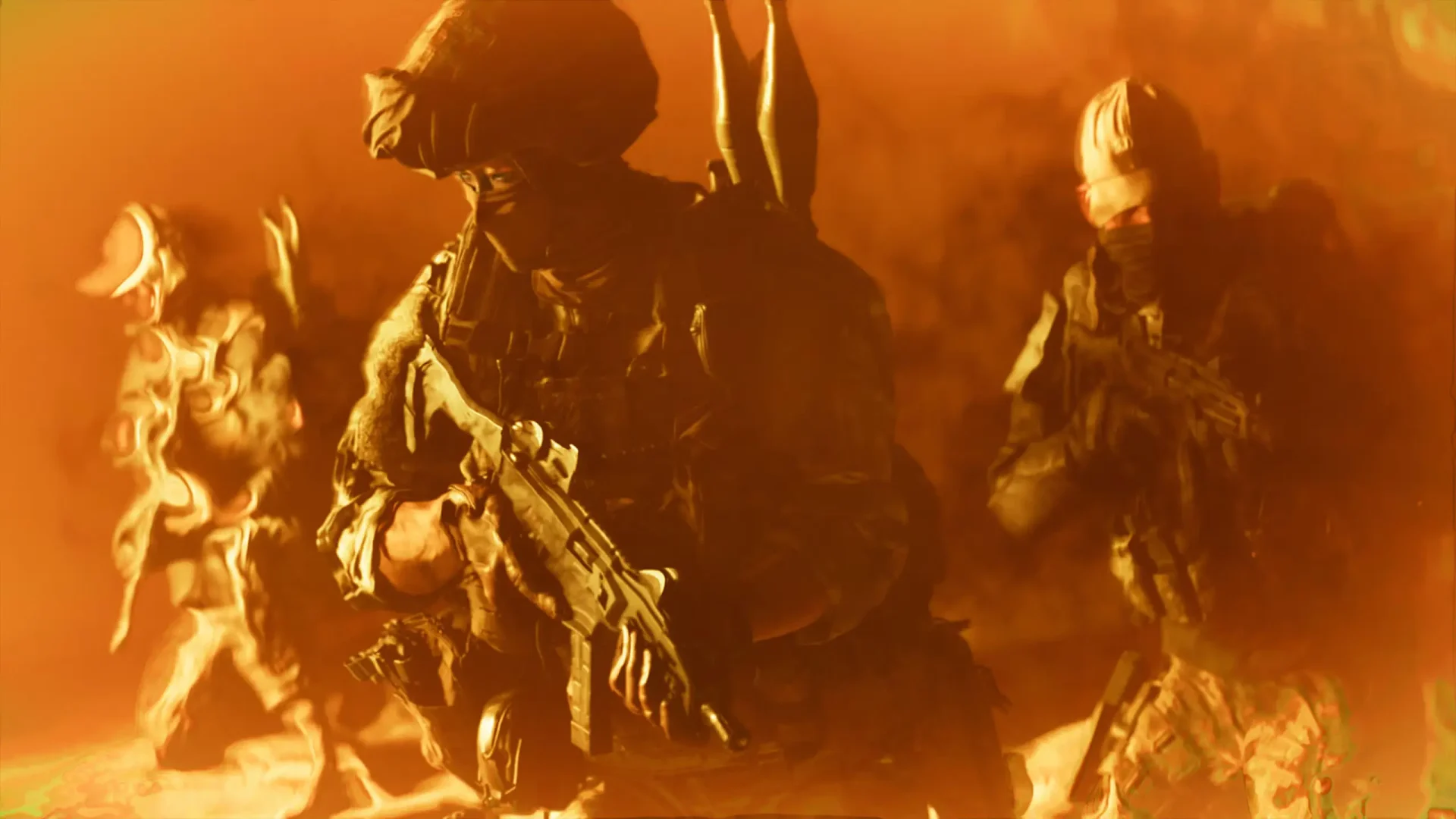
Smart Season 2 Wrap-Up: How to Get the Most Value From Each Phase
Season 2 is easiest to enjoy when you treat it like three clear entry points, not one long grind. Plan around the phase drops—Feb 17, Mar 17, and Apr 14—and you’ll catch the season when playlists are busy, strategies are still forming, and limited-time modes feel at their best. That’s also when learning new maps takes less effort, because the whole community is learning with you.
A simple approach works for almost every player type in Battlefield 6:
- At the start of each phase: play the new map until you know the main routes and where fights repeat.
- Right after that: try the limited-time mode while queues are strong and the mode is still fresh.
- Later in the phase: use your time for progression and clean-up (unlocks, Bonus Path, Portal changes, and any rewards you care about).
If you follow that order, you won’t feel behind—even if you skip days or take a break between updates. You’ll still experience the “core” of Season 2, keep your sessions focused, and avoid the common problem of logging in late and not knowing what the season is trying to push.
