












Marathon is Bungie’s long-awaited return to the franchise that started it all — but this time, it’s not the same kind of shooter. The 2026 release drops you onto Tau Ceti IV as a Runner, a mercenary operating inside a cloned body, hunting for loot, secrets, and survival in a world where other players are just as dangerous as the AI enemies. Every run has a clear goal: get in, grab what you can, and extract alive.
The game belongs to the extraction shooter genre, which means every zone you drop into is a living, breathing danger zone. You’re sharing the map with hostile AI factions and other Runners who might team up with you, rob you, or shoot you in the back the moment you look away. It’s tense in a way that most shooters aren’t. One bad encounter can cost you everything you brought in.
Marathon launches with four distinct zones, each built around a different kind of threat and pacing. Three are surface maps you can access from day one. The fourth — Cryo Archive — is an endgame location tied to Season 1. Before you drop into any of them, here’s everything you need to know.

All Marathon Maps (2026): Quick Zone Overview Before You Drop
| Zone | Difficulty | Size | Best For | Available |
|---|---|---|---|---|
| Perimeter | Beginner-friendly | Medium | Learning the game, stealth runs | Launch |
| Dire Marsh | Intermediate | Large (18 players) | Open combat, fast Runners | Launch |
| Outpost | Intermediate–Hard | Small (most vertical) | Loot hunters, close-range fights | Launch |
| Cryo Archive | Endgame | Large (ship interior) | High-stakes gear grabs, raid content | Season 1 |
Make a breakthrough
in Marathon!
Boost your progress in Marathon with services built to save time and unlock what matters most. Get started.
View services
Perimeter Map Guide: Marathon's Best Starting Zone for New Players
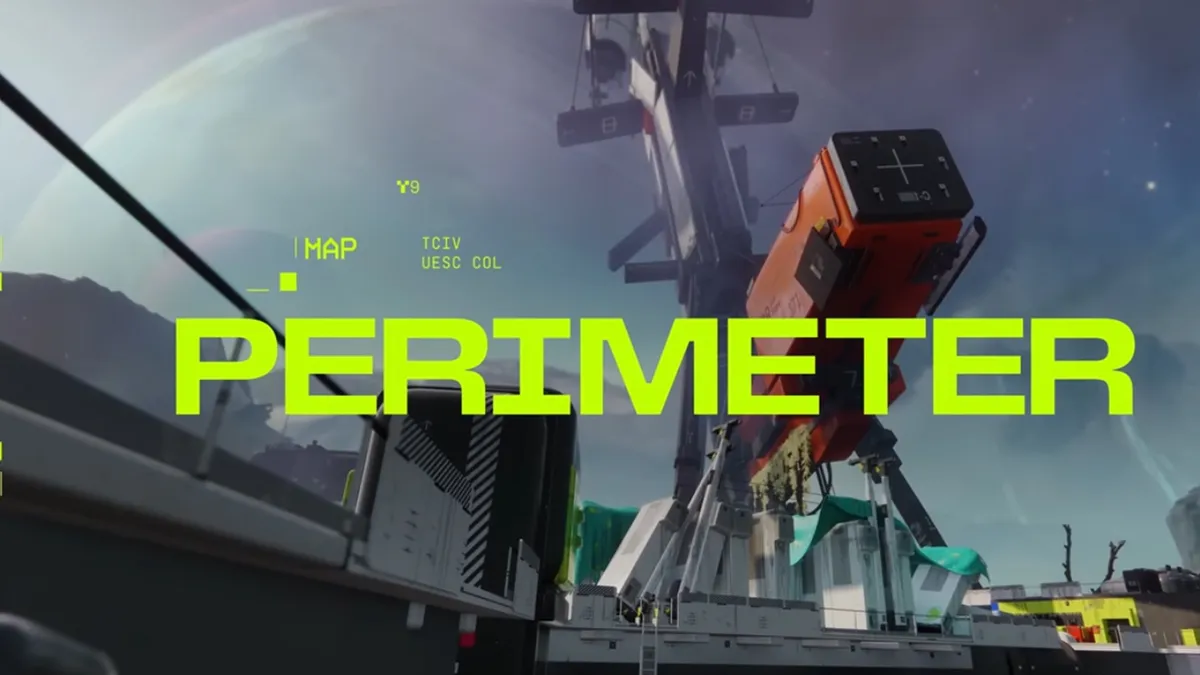
Perimeter sits on the outer edges of the colony. Lore-wise, this is where the UESC was actively expanding before everything went wrong. The infrastructure here is newer, the buildings are more spread out, and the sightlines are longer — all of which gives new players more time to react and think before committing to a fight.
That breathing room is the whole point. Perimeter has more safe areas than any other zone, and the layout genuinely rewards stealth. If you’d rather observe a situation before diving in, this map lets you do that. Veterans will often dismiss Perimeter as too slow, but for anyone still learning the flow of an extraction run, it’s the right starting point.
Don’t treat it as a guaranteed easy experience, though. The UESC has soldiers all over this zone, and the buildings they’re guarding often hold the better loot. The map is forgiving in structure, but the enemies inside those structures are not. You’ll still need to pick your fights carefully.
What to know about Perimeter:
- Open terrain with longer sightlines between structures
- More safe zones compared to other maps — good for planning your route
- UESC soldiers guard the most valuable locations
- Limited major loot hotspots, so expect competition at the few that exist
- Stealth-oriented Runners like Void will feel at home here
Perimeter was one of the two maps available during the Server Slam ahead of launch, which means a large portion of the player base already has time on it. Expect the common loot spots to be well-known from day one.
Dire Marsh Map Guide: Marathon's Largest Zone, 18 Players, and the Dropship Event
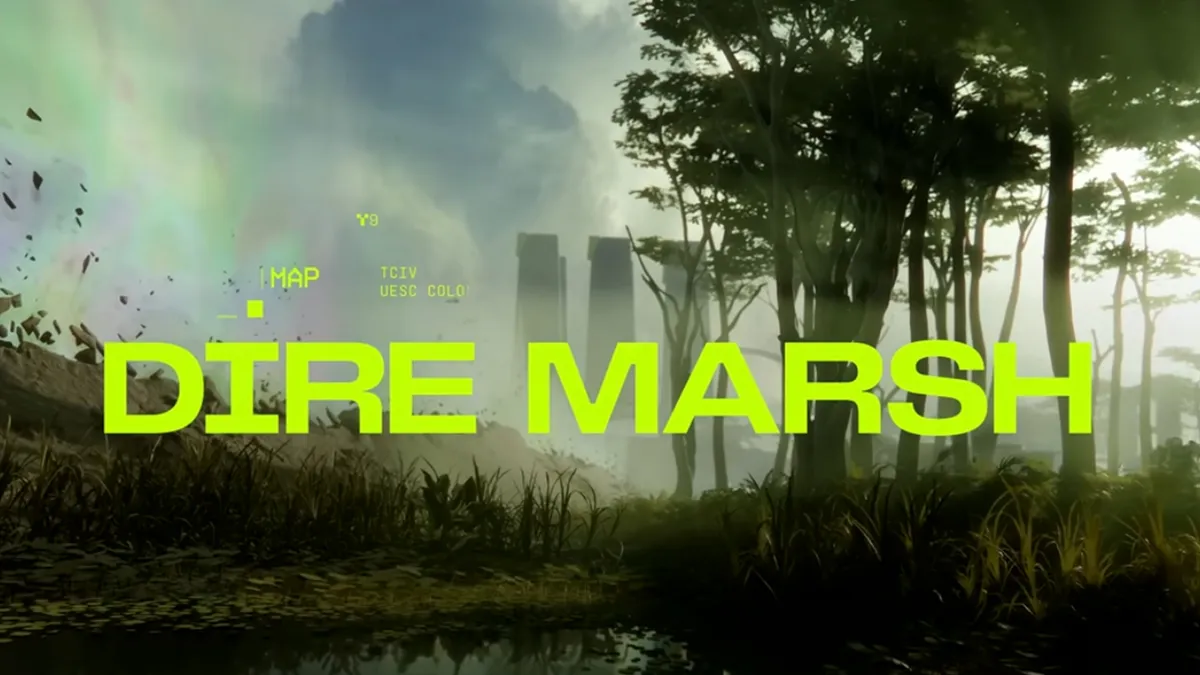
Dire Marsh is where the game gets weird. This was once the colony’s agricultural research zone — a farming sector that the UESC was running until something called the Anomaly appeared. The Anomaly split the terrain straight down the middle and suspended heavy storage containers and rocks in mid-air, frozen by an invisible force. Whatever it is, nobody’s sure who caused it, though the UESC’s fingerprints are all over the surrounding buildings.
In practical terms, Dire Marsh is the largest map at launch and supports up to 18 players simultaneously. That’s a significant number for an extraction shooter. The open marshland creates visibility challenges — limited sight lines, environmental cover, and constant ambient noise that makes it hard to track other Runners by sound alone. It rewards players who move aggressively and decisively rather than those who hesitate.
The map also features a high-gear dropship that arrives during runs. This is the kind of event that pulls every Runner in the area toward the same point, which means the rewards are real but so is the chaos around them. You can fight for it directly or position yourself to ambush whoever wins that fight.
Runner recommendations for Dire Marsh:
- Glitch — fast movement helps cover the large distances quickly
- Locus — another speed-focused Runner well-suited to open terrain
- Void — viable for stealth approaches if you want to avoid the main action
The UESC has scan drones, tripwires, and weather hazards deployed throughout the zone, making passive movement dangerous. You can’t just run from point A to point B without checking your path. Dire Marsh was the second playable map in the Server Slam, so — like Perimeter — expect the community to arrive at launch with solid knowledge of its layout.
Outpost Map Guide: Vertical Combat, High Loot Density, and the Pinwheel Building
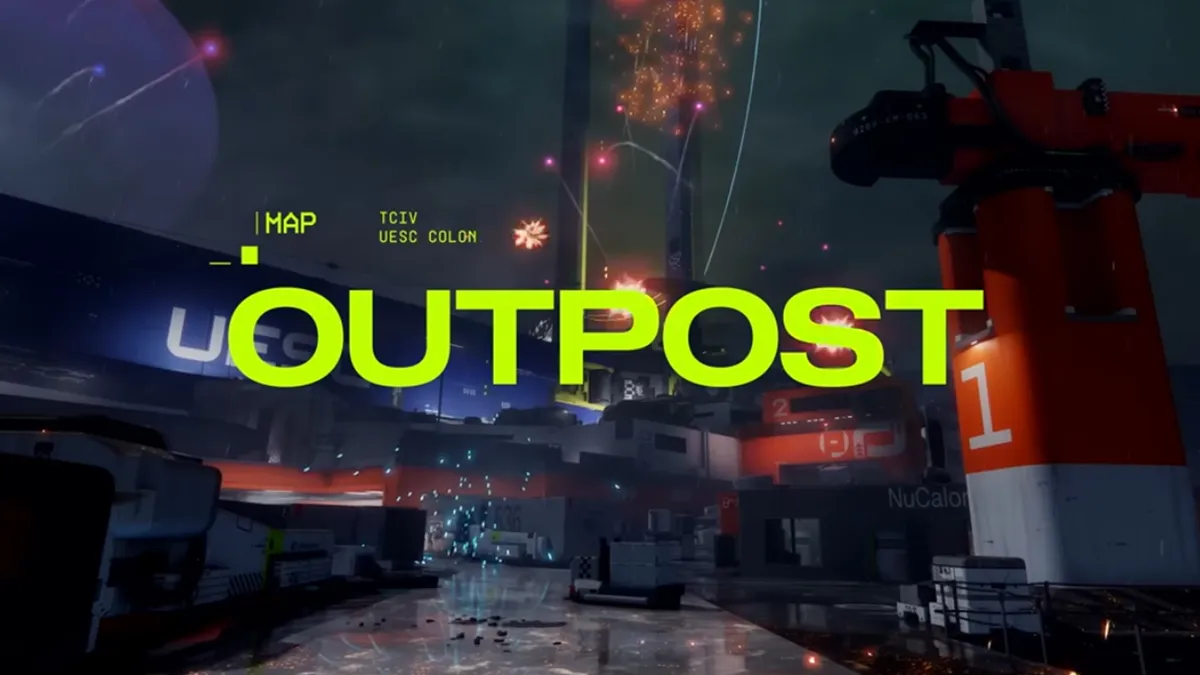
Outpost is the smallest zone in the game, but Bungie compensated for the reduced footprint by going vertical. This was originally a staging and logistics hub for planetary expeditions — think spaceport mixed with military installation. The zone is packed with fortified structures, and loot quality is notably higher than what you’ll find on the other two surface maps.
The centrepiece of Outpost is a structure the community has already started calling the Pinwheel. It’s a tall, corkscrew-shaped building that spirals upward through multiple floors. Getting inside the Pinwheel is worth it — the loot density is high — but the winding staircases make escape almost impossible once a fight breaks out. There’s nowhere to hide when bullets start flying in that spiral, and other players know exactly where you are the moment combat noise echoes through the building.
Because the map is small, enemy Runners are always close. You’ll run into people faster here than anywhere else, and the vertical layout means threats can come from above and below at the same time. Outpost punishes passive play hard. If you’re not watching the rooftops, someone is watching you from one.
Outpost wasn’t part of the Server Slam, so the community will be learning it from scratch on launch day. That’s actually an opportunity — nobody has pre-built routes or established rotations yet. The first week on Outpost will be genuinely unpredictable.
Cryo Archive Map Guide: Marathon's Endgame Zone, Vault System, and Season 1 Raid Content
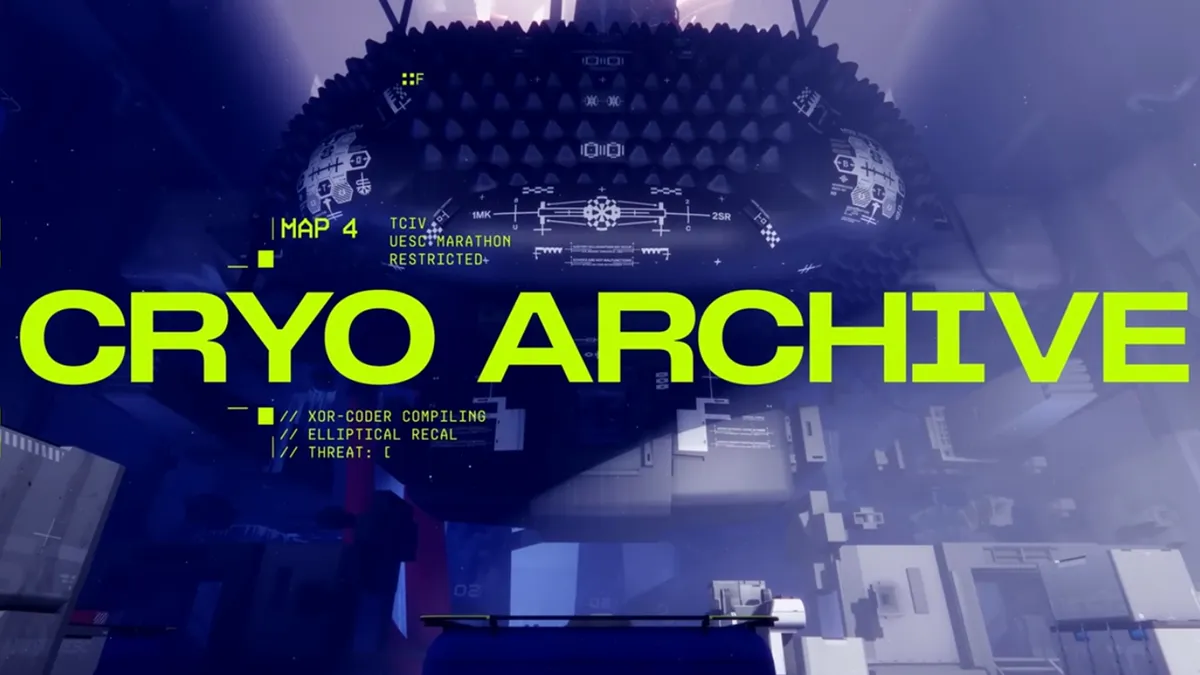
Cryo Archive is different from the other three maps in almost every way. Where Perimeter, Dire Marsh, and Outpost are surface zones on Tau Ceti IV, Cryo Archive takes place aboard the derelict UESC Marathon — the ship that gives the game its name. It orbits the planet, and it unlocks during Season 1 rather than at launch.
Bungie has described Cryo Archive as the place to bring your best gear. That’s not marketing language — it’s a practical warning. The zone contains every environmental hazard seen across the other maps, combined. The UESC guards here are the highest-tier enemies in the game. And then there are the vaults.
The vault system is what makes Cryo Archive genuinely different. Vaults are locked chambers scattered throughout the ship, and each one requires your squad to solve a puzzle to get inside. They’re structured in a progression — each vault is harder than the last. By the time you reach the seventh and final vault, you’re facing something the UESC itself apparently fears. Bungie hasn’t said what’s inside, but the implication is that it’s the narrative centrepiece of the game’s first season.
Key things to know about Cryo Archive:
- Unlocks in Season 1, not at launch
- Requires maxed faction progression and elite loadouts to survive
- Seven progressive vaults — each harder than the previous
- Highest-tier UESC enemies in the game
- All environmental hazards from other zones appear here
- Highest loot quality and narrative rewards in Marathon at launch
The raid-style vault mechanics set Cryo Archive apart from standard extraction shooter content. It’s not just a harder version of the surface maps — it’s a different kind of challenge that rewards coordination and preparation over raw mechanical skill.
Marathon Map Events Explained: How Zone Events Work and When to Fight for Them
Each map has dynamic events that trigger during a run. These are announced to everyone in the zone, which means they act as a magnet for every Runner nearby. The rewards from completing a map event are significantly better than standard looting, but you’ll be doing it while every other player on the map converges on your position.
The high-gear dropship on Dire Marsh is one confirmed example. You have two real options when an event starts: participate directly and fight for the reward, or hold back and ambush the survivors who do. The second option is risky in its own way — if nobody else wins the event, there’s nothing to take.
Map events are central to the social dynamics of Marathon. They create moments where strangers might temporarily cooperate, rivals will try to snipe kills, and careful Runners will have to decide whether any of it is worth the exposure.
Which Marathon Map Should You Drop Into First? Beginner to Endgame Breakdown
If you’re new to extraction shooters, drop into Perimeter first. The pace is slower, and the layout gives you room to make mistakes without immediately losing everything. Spend your early runs learning how looting works, how to read the extraction timer, and how to avoid fights you can’t win.
Once you’re comfortable with the loop, move to Dire Marsh. It’s bigger, busier, and will test your ability to make quick decisions in the open. The dropship event is a good early benchmark — if you can survive the chaos around it at least once, you’re ready for what the game has to offer.
Outpost is where you go when you want better loot and are prepared for things to escalate fast. Save Cryo Archive for Season 1, when you’ve built out your Runner and faction progression to the point where you can actually survive what’s waiting inside.
| Completely new to extraction shooters | Perimeter |
|---|---|
| Comfortable with the basics, want more action | Dire Marsh |
| Ready for high-intensity, vertical combat | Outpost |
| Endgame-geared, Season 1 unlocked | Cryo Archive |
Make a breakthrough
in Marathon!
Boost your progress in Marathon with services built to save time and unlock what matters most. Get started.
View services
Marathon Seasons and Loot Wipes: What Carries Over Between Maps and Resets
One thing worth understanding before you get attached to anything you find: Marathon runs on 90-day seasons. At the end of each season, all gear is wiped. Cosmetics carry over, but the weapons, mods, and equipment you spent the season building? Gone. This is the extraction shooter reality — the run matters, not the gear.
Each zone connects to the game’s faction system. The six factions — Arachne, Cyberacme, Nucaloric, Sekiguchi, Traxus, and Mida — issue contracts that you complete during your runs. These contracts are often map-specific, directing you to particular locations or objectives within a given zone. Completing them builds faction reputation, which feeds into upgrade trees and rewards.
Progression isn’t just about getting stronger gear. The Codex system tracks lore discoveries and achievements across runs, unlocking narrative content tied to what actually happened on Tau Ceti IV. The maps aren’t just gameplay spaces — they’re also where the story is buried, and Cryo Archive is where the deepest answers are waiting.
Marathon Maps 2026: Final Verdict on Every Zone Worth Knowing Before Launch
Marathon’s four zones offer more variety than the number suggests. Perimeter and Dire Marsh are accessible from day one and cover beginner to intermediate difficulty. Outpost raises the stakes immediately with its compact, vertical design. Cryo Archive is the carrot at the end of Season 1, and from everything Bungie has shown, it’s genuinely the most ambitious zone they’ve built.
The maps are designed to push you toward specific playstyles and Runner choices. The more time you spend understanding each zone, the better your extraction rate will be. And in a game where losing your gear on a bad run is part of the experience, that knowledge is worth more than any weapon you find.
Marathon launches March 5, 2026, on PS5, Steam, and Xbox Series X|S, with cross-play enabled across all platforms.
