












Marathon dropped on March 5, 2026, and it does not hold your hand. If your first few runs ended with empty hands and a respawn screen, you’re not alone — extraction shooters have a steep learning curve, and Marathon adds its own twists on top. This guide breaks down the 10 most important things new players need to understand before they load into Tau Ceti IV. No fluff, no padding — just the stuff that will actually keep you alive.
The game is built around one core loop: drop in, loot, extract. Easy to describe, hard to do when three other squads have the same idea. But once these fundamentals click, Marathon becomes a genuinely thrilling experience.
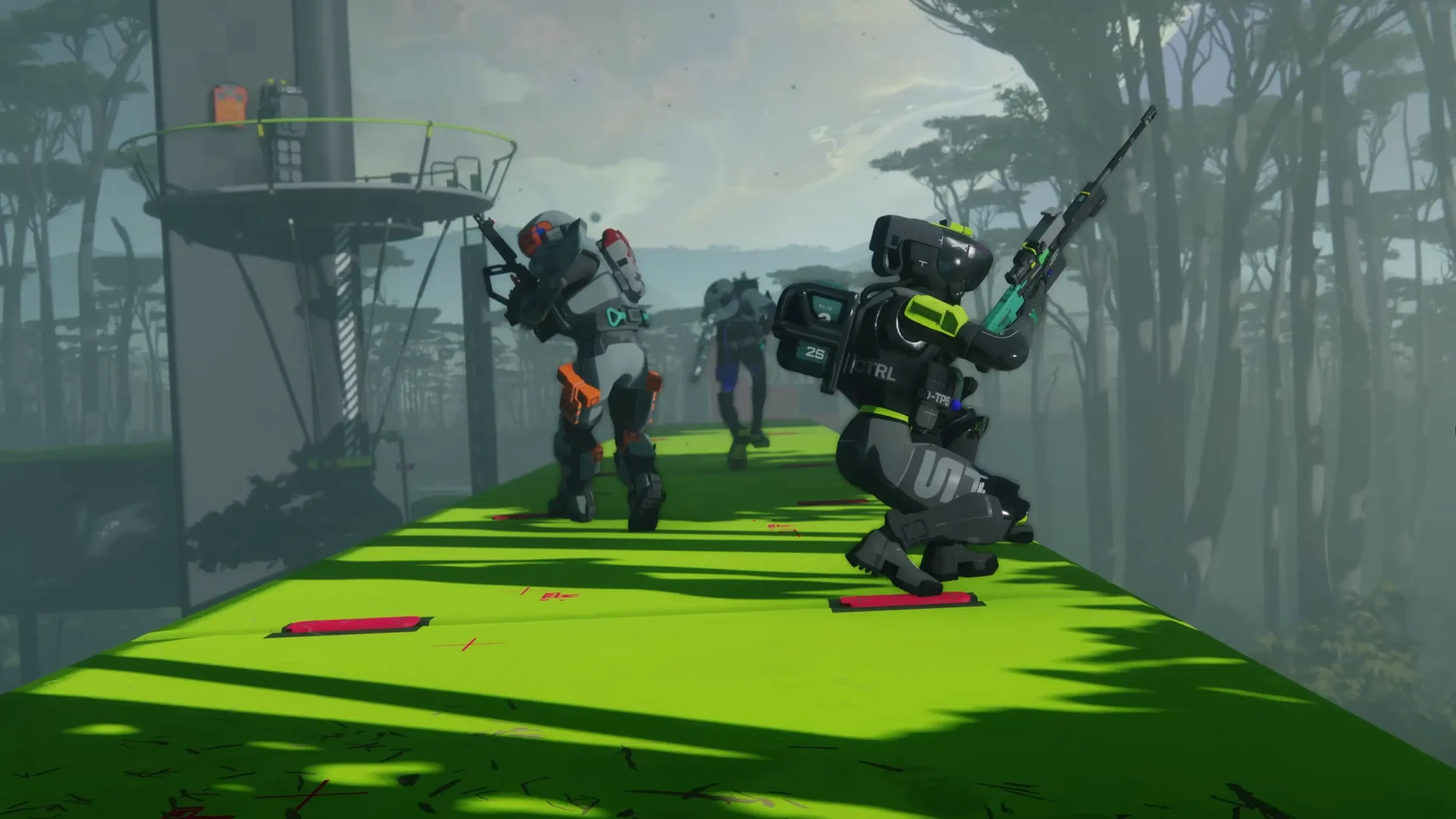
1. Your First Goal Is Extraction, Not Kills
This might feel obvious, but it catches almost every new player. Marathon rewards what you bring out, not what you put down. A run where you killed two squads and died before extraction is worth exactly nothing. A run where you avoided everyone and exfilled with a full backpack of mid-tier loot is a win.
Focus on learning exfil locations on your first 5-10 runs before worrying about combat. Dying is free — you respawn in a new Shell. Losing your gear is the actual cost.
Make a breakthrough
in Marathon!
Boost your progress in Marathon with services built to save time and unlock what matters most. Get started.
View services
2. There Are Two Types of Extraction Points — Know the Difference
This is one of the first things Marathon doesn’t explain clearly enough. There are Crew Exfils and Guarded Exfils, and confusing the two will cost you gear.
| Exfil Type | Risk Level | Why Use It |
|---|---|---|
| Crew Exfil | Low | Standard exit, safer, less contested |
| Guarded Exfil | High | Better loot rewards, but AI guards + likely camped by other squads |
As a beginner, stick to Crew Exfils until you know your map and your Shell well enough to fight through a Guarded Exfil. The better loot isn’t worth the risk when you’re still learning the game.
3. Pick the Right Runner Shell From the Start
Marathon has 6 playable Runner Shells at launch (plus Rook, a special scavenger-mode frame). Each one has a Prime ability, a Tactical ability, and two passive Traits. Your Shell doesn’t lock you into a weapon type, but it does define your role.
Here’s a quick-start breakdown:
| Shell | Playstyle | Good For |
|---|---|---|
| Destroyer | Aggressive frontline tank | Players who like to push fights |
| Vandal | High-mobility disruptor | Players who like fast movement |
| Triage | Support / medic | Squad-focused players |
| Recon | Intel and tracking | Players who like map awareness |
| Assassin | Stealth and smoke | Players who like ambushes |
| Thief | Loot-focused with grapple | Players who want to maximize gear |
| Rook | Scavenger (solo only) | Not recommended for beginners |
If you’re completely new to extraction shooters, Triage or Destroyer are the most forgiving starting points. Rook is solo-only and drops into matches already in progress — skip it until you know the maps cold.
4. The Knife Is More Useful Than You Think
Sounds strange, but running with your knife out in Marathon is faster than running with a gun. In a genre where positioning and speed determine survival, knowing this shaves seconds off your escape routes. Always switch to your knife when you’re rotating between zones and not actively in a fight.
5. Heat Management Is Marathon's Hidden Stamina System
Marathon doesn’t have a stamina bar in the traditional sense — it has a heat system. Moving aggressively, sprinting, and using certain abilities generate heat. When you overheat, your performance takes a hit. Managing your heat means managing your tempo.
The Vandal Shell in particular is built around this mechanic. Its double jump (upgradeable to triple jump with the right Cores) generates heat rapidly, but its kit is balanced around working with that limitation. For other Shells, just be aware that burning through movement abilities back-to-back will put you in a vulnerable spot.
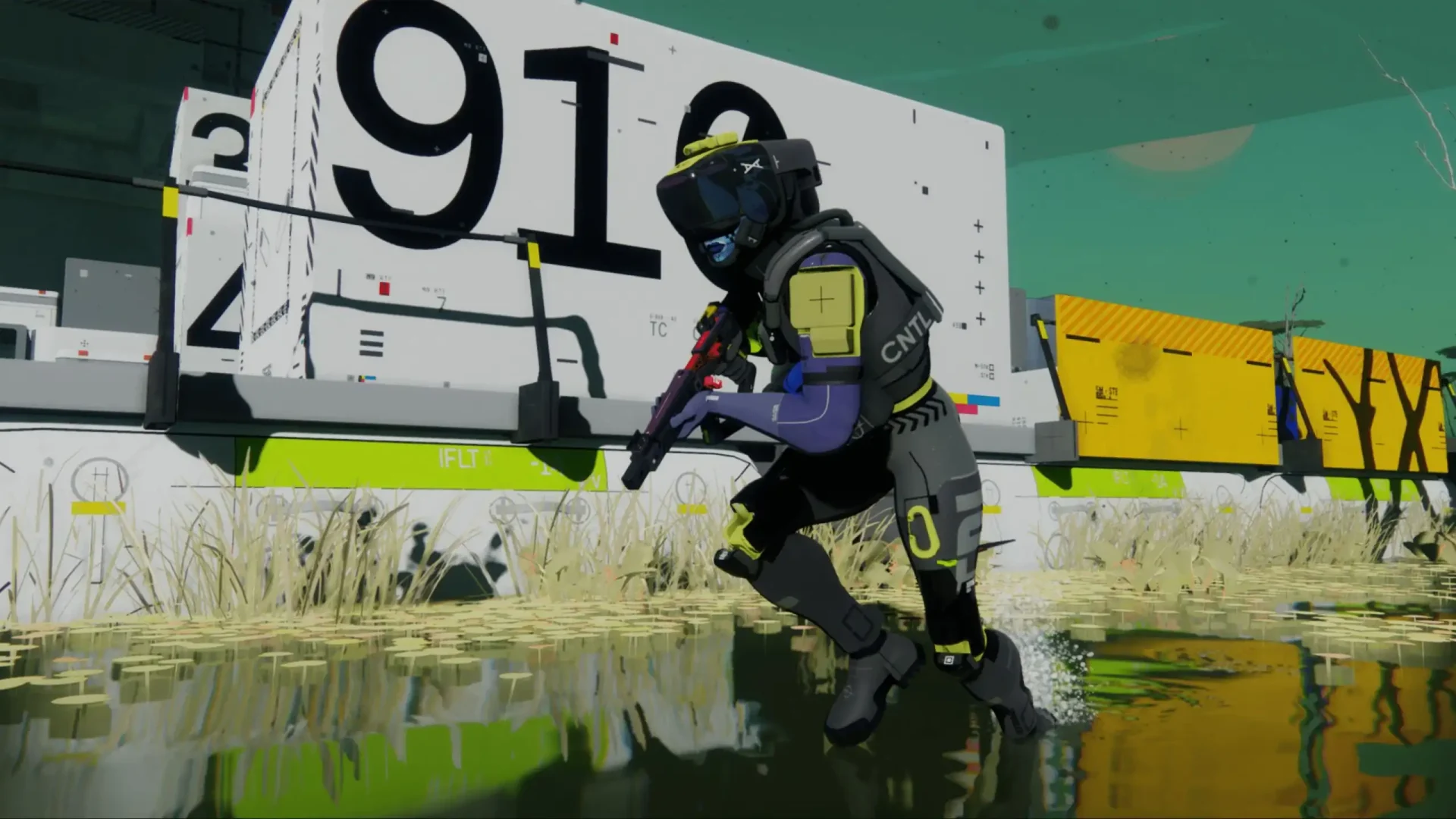
6. Understand Cores and Implants Before Touching Your Loadout
Marathon’s customization system goes deeper than just picking a Shell and grabbing weapons. Cores and Implants are the two layers that modify your Shell’s abilities and stats.
- Cores modify your Shell’s Prime and Tactical abilities — they can change how abilities behave, not just buff them
- Implants alter passive stats like movement speed, jump height, heat capacity, and more
- You can put up to 4 mods on each weapon across 8 attachment slots: barrel, generator, muzzle, grip, chip, magazine, optics, and shield
Don’t dump random mods onto your gun because they’re available. Each slot has trade-offs. A mag that increases capacity might slow your reload. Figure out what your Shell’s playstyle demands first, then build your loadout around that.
7. Factions Are Your Progression Engine — Start Working Contracts Early
At launch, Marathon has six factions operating on Tau Ceti IV. You take contracts from them, complete objectives in the field, and unlock gear, Codex lore, and progression rewards. This is the main progression loop outside of looting.
New players often ignore faction contracts for the first few runs because they’re focused on survival. That’s understandable, but you’ll fall behind on progression quickly. Even low-tier contracts give you a reason to visit specific parts of a map, which is a good way to learn layouts organically.
8. Map Events Are High Risk, High Reward — Don't Rush Them Blind
Each map has events that spawn during a run — things like UESC Incursions, Supply Drops, and High Value Targets. These attract enemies and other Runner squads. The loot is better than normal, but so is the competition.
As a beginner, your best play is to watch map events from a distance and let other squads do the fighting. Once they’ve weakened each other, you move in. It’s not glamorous, but it works. You’ll see veterans call this “third-partying” and it’s a completely valid strategy.
9. Death Costs You Your Gear — Not Your Progress
Marathon makes death sting in a specific way: you lose whatever gear you were carrying in the field. Your Runner Shell isn’t gone, your faction progress isn’t gone, and your cosmetics are safe. But that Deluxe weapon you just found? If you die before extracting, it’s gone.
This creates the central tension of every run. The question isn’t just “can I win this fight?” — it’s “is this fight worth risking what I’m carrying?” Learning to answer that question honestly is what separates new players from experienced ones.
10. Seasonal Resets Are Intentional — Build Accordingly
Marathon runs on roughly 90-day seasons. At the end of each season, all player gear gets wiped. Cosmetics carry over. Gear does not.
This is by design. Bungie’s goal is to reset the playing field so every new season feels fresh. Knowing this changes how you think about hoarding. Don’t save your best gear for a perfect run that might never come — use it, push harder maps with it, and accept that the reset is part of the game’s rhythm.
Season 1 is adding a new map (Cryo Archive, a derelict ship with vault puzzles), a new Runner Shell codenamed Sentinel, a Ranked mode, and a nighttime version of Dire Marsh. There’s plenty of reason to stay engaged between now and the wipe.
Make a breakthrough
in Marathon!
Boost your progress in Marathon with services built to save time and unlock what matters most. Get started.
View services
Marathon Rewards Patience
The biggest mistake new players make is trying to play Marathon like a standard shooter. It isn’t. The longer you survive, the more valuable your run becomes. Fights you avoid are just as important as fights you win.
Start on Perimeter — it’s the most beginner-friendly map with open sightlines and room to breathe. Pick a Shell that matches how you naturally play games. And don’t get frustrated by the learning curve. The first dozen runs are tuition. What you learn from them pays off for the rest of the season.
