











Patch 0.5, Return of the Ancients, is the biggest shake-up Path of Exile 2 has had since the Runes of Aldur league launched. GGG didn’t just add a new mechanic and call it a day. They touched defense, healing, and endgame progression all at once, and none of these systems work the same way they did in 0.4.
If you’re coming back after a break, your old builds probably won’t survive the transition. Leech doesn’t stack the way it used to, your armor might now carry a stat you’ve never used before, and the Atlas map you spent hours planning got replaced with something new. This guide walks through the three changes that matter most: Runic Ward, the leech rework, and the new Atlas progression, plus what to actually do about them.
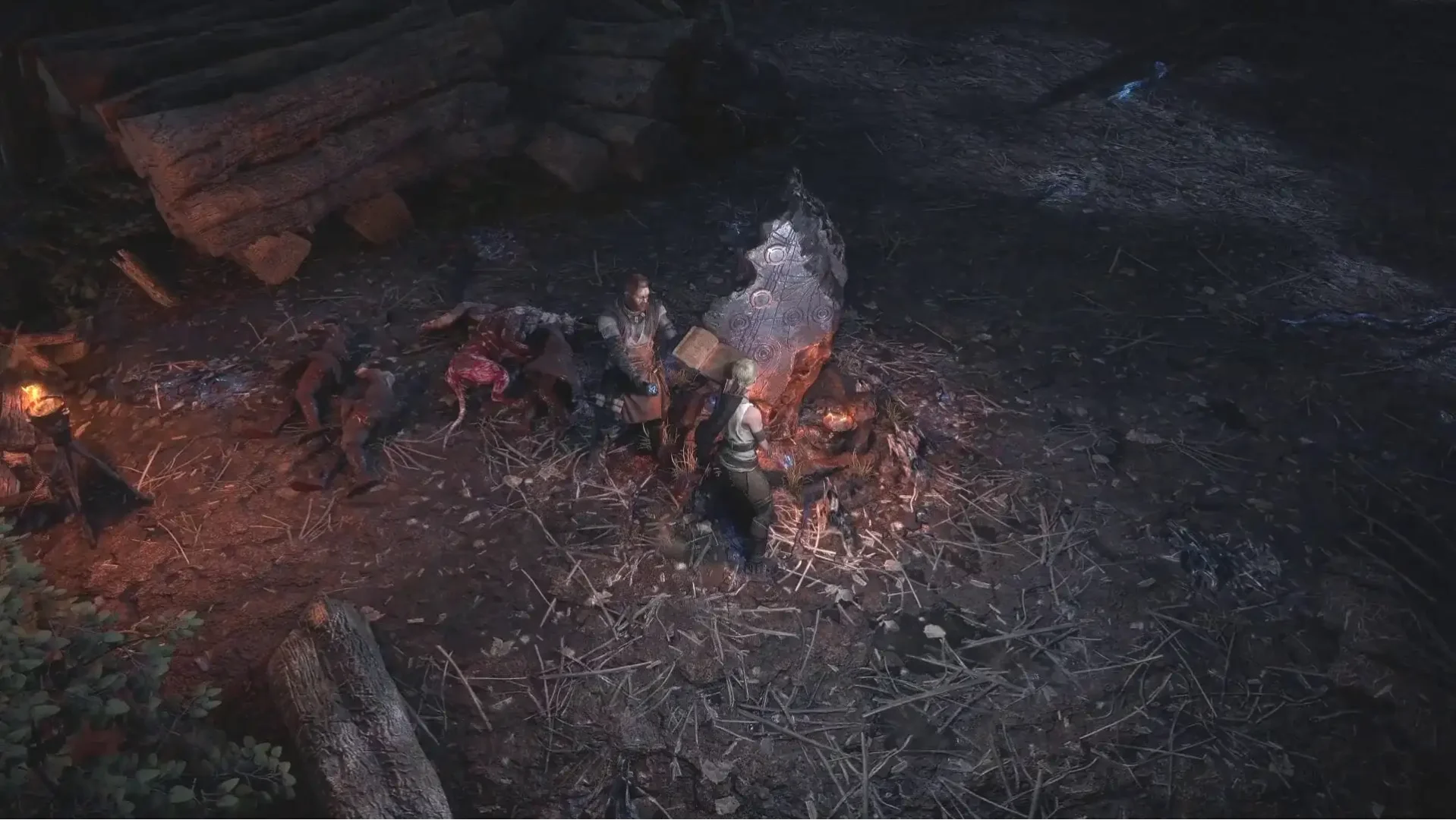
PoE 2 Patch 0.5 Changes: A Quick Overview
Three systems got rebuilt from the ground up:
- Runic Ward — a new defensive stat that acts as a buffer when you’re about to die, crafted onto gear through Verisium Runeforging.
- Leech rework — only your strongest active leech instance counts now, and there’s a hard cap on how much you can leech from a single big hit.
- Atlas progression — the old sprawling passive tree is gone, replaced by the Fortress path and Atlas Masters.
Each of these lands differently depending on your build, so let’s go through them one at a time.
Buy services for
Path of Exile 2!
Get help with the parts of the game that take the most time. Browse available services or place a custom order.
Order
What Is Runic Ward in PoE 2 Patch 0.5?
How Runic Ward Actually Works
Runic Ward is a secondary life pool that kicks in right when things go wrong. When a hit would drop you to 1 HP, Runic Ward absorbs that damage instead, buying you a second before you have to react. It’s not something you build around the way you’d build around Energy Shield — it’s closer to an emergency airbag than a wall.
Higher item level armor pieces trade some of their base Armor or Evasion for Runic Ward automatically. That means gearing up naturally pushes you toward having some Runic Ward on your character, whether you planned for it or not.
How to Get Runic Ward
Runic Ward comes from Verisium, the crafting material introduced with the Runes of Aldur league mechanic. Here’s the basic path:
- Fight Remnant encounters scattered across zones to farm monsters carrying runic buffs.
- Kill those monsters for Verisium metal.
- Spend the Verisium at Farrow, the new Act 1 NPC, to apply Runic Ward to your armor.
- From Act 3 onward, Unique armor pieces can also be improved through Verisium Runeforging, and Kalguuran Uniques get extra properties when runeforged this way.
The riskier the Remnant you crafted, the tougher the monster waves guarding it. So there’s a real decision to make between farming safe Verisium and farming good Verisium.
Runic Ward vs Energy Shield
People keep comparing the two because both sit “above” your life pool, but they behave very differently in practice.
| Runic Ward | Energy Shield | |
|---|---|---|
| When it triggers | Only at the moment a hit would kill you | Absorbs damage continuously, before life |
| How you get it | Verisium Runeforging on armor | Base stat on gear, scales with int |
| Recovery | Doesn't recharge like ES does | Recharges after a few seconds without damage |
| Build role | Safety net for any build | Core defensive layer, usually stacked deliberately |
If your build leans on Energy Shield stacking, don’t expect Runic Ward to replace it. Think of it as insurance on top, not a substitute.
PoE 2 Patch 0.5 Leech Rework Explained
Leech was one of the most abused defensive tools in 0.4, and 0.5 closes most of the loopholes.
Only the Highest Leech Instance Applies
In the old system, stacking multiple leech sources could snowball into near-infinite sustain. Now, if you have several leech effects active at once, only the strongest one actually applies. Layering three small leech modifiers no longer adds up — you get the best one and nothing more.
A Hard Cap on Big Hits
Any single hit above 40,000 damage gets capped for leech purposes. This mostly hits boss fights, where huge burst damage used to translate into equally huge leech recovery. Now a massive hit heals you the same as a hit right at the cap. Big damage numbers don’t mean big heals anymore.
Instant Leech Took a Hit Too
Instant Leech, the mechanic that let certain builds recover life the moment they dealt damage instead of over time, got scaled back across several Ascendancies. Pathfinder in particular lost a chunk of what made it a near-unkillable league starter in 0.4.
What This Means for Your Build
If your character relied on leech as its main defense, it’s time to rethink that plan. A few practical takeaways:
- Melee builds that tanked through maps purely on leech sustain will feel noticeably squishier.
- Boss fights against high-hit bosses reward armor and evasion more than they used to, since leech can’t undo a massive hit anymore.
- Hybrid Armor/Evasion setups are stronger this patch, partly because leech isn’t propping up glass-cannon builds the way it did before.
The New Atlas Tree in PoE 2 Patch 0.5
From the Old Passive Tree to the Fortress Path
The old Atlas was an abstract web of passive nodes you clicked through blind. That’s gone. Patch 0.5 replaces it with the Fortress, a fixed path of roughly 300 interconnected nodes tied to an actual location on the map of Wraeclast. You progress through it by clearing Fortress content and questlines, not by randomly allocating points.
One important detail: passive respeccing on the Atlas has been removed. Whatever nodes you pick, you’re committing to them, so plan before you click rather than after.
Atlas Masters Handle the Customization
Instead of one giant tree covering every mechanic, customization now happens through Atlas Masters. Each Master governs a slice of the endgame — think Ritual, Breach, Delirium, and so on — and you shape your strategy by investing in the Masters tied to the content you actually want to farm.
Planning Your Atlas Tree by Farming Goal
A few starting points depending on what you’re chasing:
- Currency farming: prioritize drop multiplier nodes early, since they boost rare monster density and tablet effects across the board.
- Boss farming: lean into Master bonuses tied to boss encounters rather than spreading points thin.
- League mechanic focus (Ritual, Breach, Delirium): commit to the relevant Master path instead of dabbling in several at once — the new system rewards specialization over the old spray-and-pray approach.
How Runic Ward, Leech, and Atlas Tree Changes Fit Together
These three changes aren’t isolated. They’re pushing the whole game in one direction: away from stacking a single defensive or sustain mechanic to absurd levels, and toward balanced itemization.
Leech used to let squishy builds ignore their gear. Now that it’s capped, Armor and Evasion actually matter again, which is exactly where Runic Ward slots in — it’s built into higher item level gear, so upgrading your armor naturally gives you both better base defense and a safety net. And because the Atlas no longer lets you freely respec, the character you build now needs to survive the content you picked before you started, not after you realize your defenses don’t hold up.
If you’re starting fresh in 0.5, the builds that feel best are the ones treating Armor, Evasion, and Runic Ward as a package rather than leaning on one system to carry the whole build.
How to Adapt Your Build for PoE 2 Patch 0.5
- Check your item level on armor pieces — you may already have Runic Ward without realizing it.
- Drop any build plan that assumes stacked leech as a primary defense.
- Farm Verisium early through Remnants instead of treating it as an afterthought.
- Pick your Atlas Master path before diving into maps, since respeccing isn’t an option anymore.
- If you’re running a boss-heavy build, prioritize flat defenses over leech recovery when gearing up.
Buy services for
Path of Exile 2!
Get help with the parts of the game that take the most time. Browse available services or place a custom order.
Order
