












Season 9 is here, and it changes the rhythm of the game in a few clear ways. You get a new arena, a new large-scale mode, and a tighter progression flow that’s easier to understand from the first session.
If you played earlier seasons and drifted away, this season tends to feel less scattered. You can spend your time in modes you enjoy and still feel like you’re moving forward, instead of bouncing between disconnected systems.
This guide keeps things practical. You’ll see what’s new, what matters in real matches, and what to try first so your first night doesn’t turn into aimless queue-hopping.
Season 9 (Dragon Rising) — What’s New and Why It Matters
Season 9 launched on December 10, 2025, and it’s branded as Dragon Rising. You’ll notice the theme across the season’s presentation, rewards, and the overall vibe of the update.
The biggest change is not a single feature—it’s how the season connects content and progression. The new mode gives you a clear objective loop, the new arena asks you to learn routes early, and the progression path feels more centralized.
Season 9 also hits different playstyles at the same time. If you’re here for action, Point Break delivers big fights with simple goals. If you’re here for competitive rounds, Cashout now has a risk mechanic that forces better decision-making.
Treat your first session like orientation. Touch each new piece once, then pick one focus for your next session. That approach makes the season click faster than trying to “learn everything” in one night.
Point Break (8v8) — Rules, Tips, and How the Mode Feels
Point Break is an 8v8 mode with a simple structure: one team attacks and pushes objectives forward, the other team defends and tries to stop them. The match flow is closer to a moving front line than to small-team skirmishes.
The reason Point Break works for a lot of players is clarity. Even if you’re rusty, it’s usually obvious where the action should happen and what matters in the next 20–30 seconds. You’re rarely guessing the “right” direction.
It’s also a louder mode. You’ll see fast collapses, surprise angles, and more chain reactions from tools and destruction. The upside is you don’t need perfect aim to contribute—revives, space control, and timing matter a lot when the lobby is full.
If you want to play it well in your first hour, keep these principles in mind:
- Play the objective phase, not the highlight. If the phase is about to shift, don’t chase one last fight.
- Push with your respawn wave. Group timing wins more fights than hero plays.
- Bring at least one “team value” tool. Shields, denial, scouting, or mobility often matter more than raw damage.
Fangwai City — Map Tips, Rotations, and Simple Callouts
Fangwai City is the new Season 9 arena, and it rewards players who learn routes early. On a new map, it’s common to win fights and still lose rounds because you rotate late or get stuck in a bad lane.
Don’t try to memorize the entire layout in one go. Build a small “starter kit” instead: one safe route, one fast route, and one escape route. Once you have three reliable paths, the map stops feeling random.
Callouts help more than most people think—especially in the first week. They don’t need to be perfect or match the internet. If your team agrees on basic labels like “rooftops,” “street level,” “courtyard,” and “skywalk,” you’ll rotate faster and panic less.
If you need a quick callout set that works in most situations, start here:
- Rooftops (high ground fights and overwatch)
- Street level (fast flanks and cover)
- Courtyard (open space where you can get pinched)
- Skywalk (quick rotations and surprise entries)
- Interior (safer resets, slower pushes)
One common early mistake is overcommitting to vertical fights. High ground is strong, but it can also trap you and burn time. If the objective is moving or the fight is dragging, dropping early and rotating is often the smarter win—even if it feels like you’re walking away.
World Tour — Progression Changes and How to Make Sessions Feel Productive
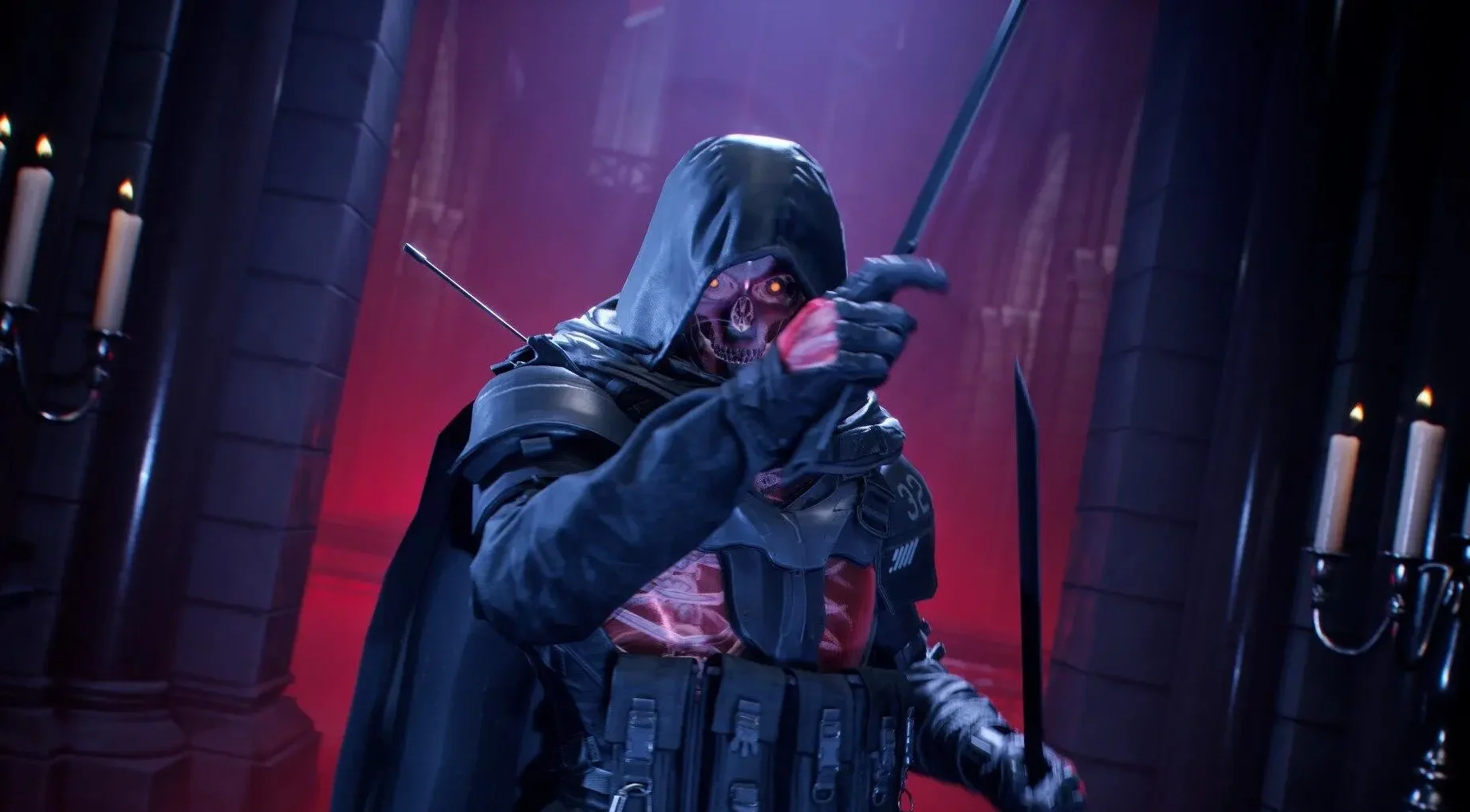
Season 9 pushes progression toward a more unified feel, with World Tour sitting closer to the center of the experience. The practical result is that you spend less time wondering, “Which mode should I play to make progress?”
This matters because it changes how you plan your week. Instead of chasing a system first and fun second, you can pick what you enjoy and still feel like your time counts. That’s a big quality-of-life gain, especially if you only play a few nights a week.
It also makes returning feel smoother. When progression is less fragmented, you’re not juggling multiple tracks with different rules. You can set one goal and move toward it consistently, without constantly stopping to “optimize.”
A simple mindset shift helps a lot: check progression at the end of your session, not after every match. It keeps you out of menu loops, and it makes the game feel calmer—especially if you’re coming back after a break.
Double Jeopardy — How Doubling Works in Cashout/Ranked Cashout
Double Jeopardy is a new mechanic tied to “doubling” a Cashout. In plain terms: if a team puts a second Cashbox into an already active Cashout Station, the match adds extra risk to that decision.
The punishment is straightforward. If you trigger Double Jeopardy and your team does not control the Cashout Station when it finishes, you can lose 50% of your total cash. That turns doubling from a casual habit into a real “are we sure?” moment.
This change creates better tension in matches. A double can still win you the game, but it can also hand the other team a clean win condition. If you’re ahead, sloppy doubles are now one of the fastest ways to throw.
Use this quick decision table to keep your calls clean:
| Situation | Doubling is usually… | Why |
|---|---|---|
| You’re behind and need a big swing | Worth considering | The comeback value can justify the risk |
| You’re ahead but can’t lock the area down | Usually a bad idea | You’re giving the other team a strong win condition |
| You have strong hold tools and good positions | Often good | Owning the station at the end is realistic |
| Your team is split or low on resources | High risk | You’ll likely lose control late when it matters |
A solid rule of thumb: only double when you can picture how you’ll own the station at the end, not just how you’ll touch it once.
Patch Notes Summary — High-Impact Changes in Season 9
Patch notes can be long, but most players don’t need every detail. What you want are the changes that affect everyday decisions: when to push, when to rotate, and what risks are now worth taking.
In Season 9, the biggest “feel” changes come from rules and progression. Double Jeopardy affects how teams manage Cashout momentum. The World Tour focus makes sessions feel more purposeful even if you only play for an hour.
A practical way to read patch notes is to skim once for the big features, then scan for the things you personally use: your most played mode, your favorite gadgets, and the tools you rely on. That keeps you from getting sucked into tiny balance changes that don’t actually change your matches.
Also, don’t overthink the early-week meta. In the first days of a season, your best advantage usually isn’t a perfect loadout—it’s knowing the new map routes and understanding the new Cashout risk. That knowledge stays valuable even when balance tweaks arrive.
Season 9 Starter Checklist — What to Do First
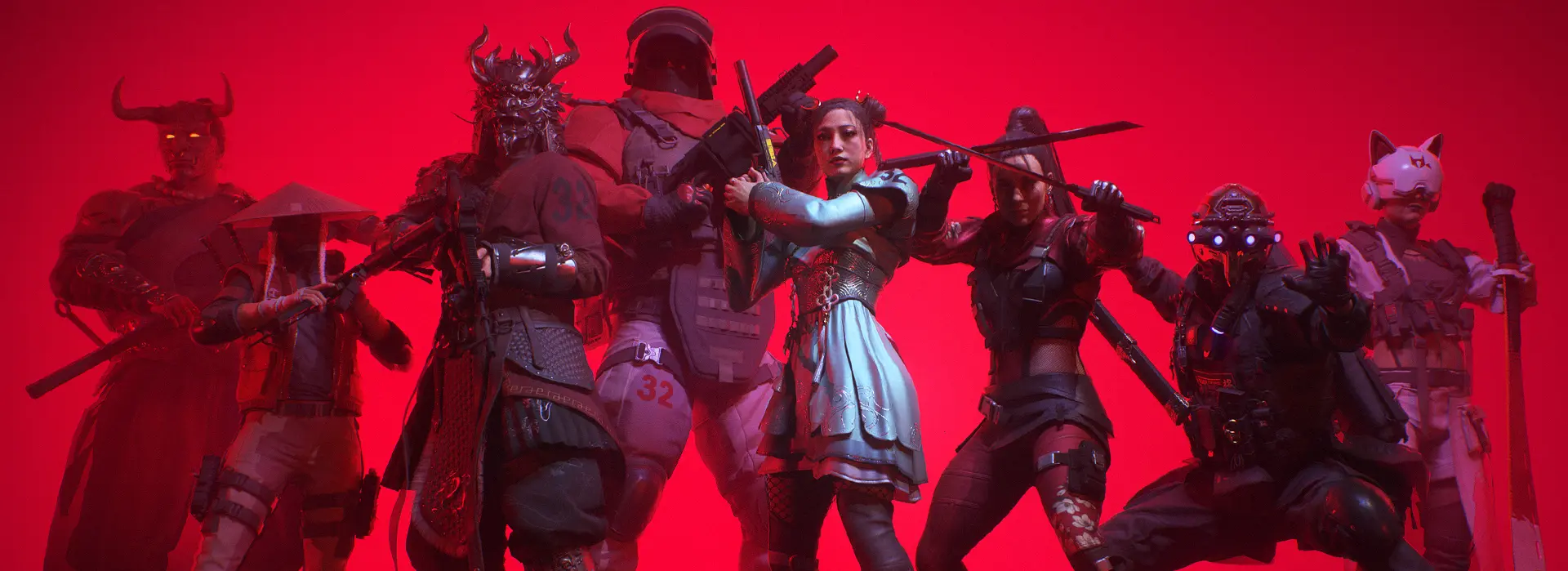
The first session of a new season can feel scattered. You bounce between menus, unlock screens, and half-learned routes. A small plan makes the whole thing feel smoother.
Your goal for the first 30 minutes is simple: touch each new feature once, then decide what you want to focus on next session. That way, you’re not guessing which mode or system matters.
This also helps if you play with friends. When everyone has the same “first-night plan,” you waste less time debating queues and you learn faster as a group.
Here’s a short checklist that works well for most players:
- Play one Point Break match to learn the basic flow
- Spend one round on Fangwai City focusing on rotations, not fights
- In Cashout, call out “double” moments and decide if you can truly hold the station
- Pick one weekly goal (progression, improving Cashout decisions, or learning the map)
- End the session by noting one mistake you won’t repeat next time
FAQ (quick answers for common Season 9 searches)
How to Get Value from Season 9 Fast
Season 9 feels best when you approach it like a reset. Learn Fangwai City routes, try Point Break with an objective mindset, and respect the new Cashout risk before you chase highlight plays.
If you want a fast edge, focus on what doesn’t change overnight: communication, rotations, and timing around objectives. Balance shifts will happen, but fundamentals keep paying you back.
And if you’re returning after a break, keep it simple. One new thing per session, one small goal per week, and the season will click faster than you expect.
