












Where Winds Meet has rapidly evolved, and the 2025 meta is very different from the early weeks after release. Players have discovered optimal combinations of weapons, stats, and skills that maximize damage, stability in PvE, and control in PvP. This guide will help you quickly identify which builds are truly strong right now and why they are considered top-tier.
We cover the seven most powerful builds — from fast, mobile assassins to heavy melee fighters and ranged support specialists. Each build has a unique playstyle, so there’s something for every type of player. Beginners will get clear, actionable advice without being overwhelmed, while experienced players can learn micro-optimizations that make a real difference in combat.
This article is designed to be practical and easy to use. You’ll find detailed recommendations for weapons, gear, stats, rotations, and tips for both PvE and PvP scenarios. Whether you prefer solo play, group dungeons, or competitive PvP, there’s a build here to suit your needs.
By the end, you’ll understand not just which builds are strong, but also how to approach each one effectively. This ensures you can adapt to the current meta and improve your performance in any situation.

Quick Overview of the Best Builds
Here’s a fast overview of the strongest builds in 2025:
- Agile Assassin — high burst, mobile DPS for PvE and PvP.
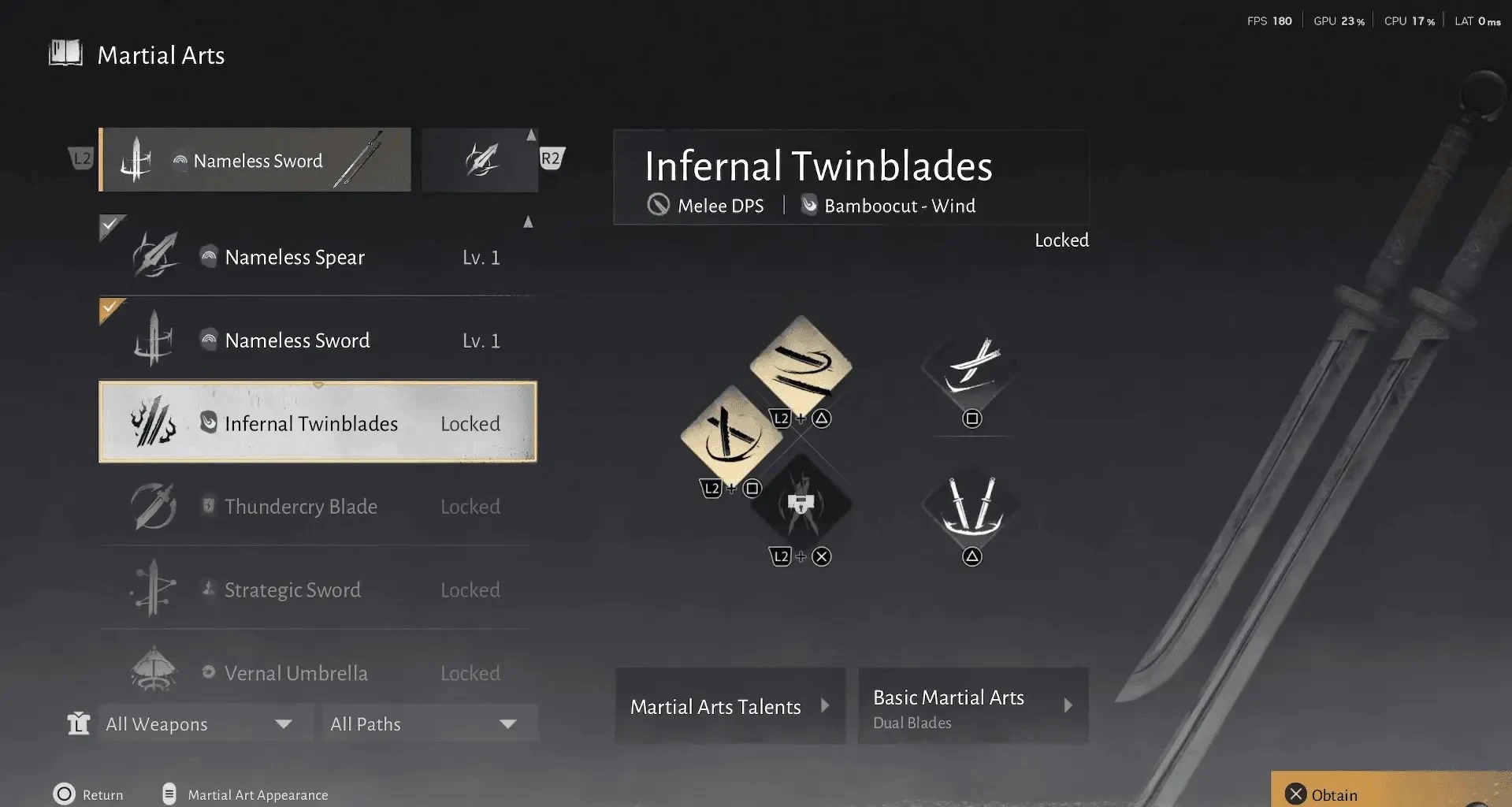
- Infernal Twinblades — sustained cleave damage, ideal for PvE.
- Bamboocut Windpath — duelist build with excellent 1v1 control for PvP.
- Bellstrike Umbra — reliable single-target DPS for bosses and raids.
- Heavenquaker Spear — hybrid control and burst, effective in organized PvP.
- Fanstorm (Inkwell Fan) — ranged support with zoning and party buffs.
- Mortal Rope Dart — skirmish specialist, perfect for picking off targets in PvP.
These seven builds represent the current consensus among top players and community guides. They cover a wide range of playstyles and priorities, from solo PvP to raid-focused PvE.
How Builds Were Ranked
We evaluated each build based on several key factors. First, we considered effectiveness in both PvE and PvP, looking at how well the builds perform in solo, group, and competitive settings. Ease of use was also important, favoring builds that can be learned quickly while still delivering strong performance. Meta viability played a role as well, highlighting builds that consistently appear on leaderboards, excel in high-level content, or dominate common PvP scenarios. Finally, flexibility was considered, emphasizing builds that can adapt to both solo and group content without losing efficiency.
This ranking reflects the current patch and meta trends. While minor shifts may occur with future updates, these seven builds remain the most consistent and reliable in performance for 2025.
Build 1: Agile Assassin
Agile Assassin is a fast, mobile burst DPS build that dominates both PvE and PvP. Its high critical damage and quick combos allow players to strike hard and retreat before enemies can respond, making it extremely versatile. In PvE, it excels at dodging boss mechanics while landing burst damage during stagger windows. In PvP, its mobility and predictable burst windows let players control fights, pick targets effectively, and avoid sustained damage from slower opponents.
Weapons & Gear
- Light Blade or Twin Daggers
- Velocity or Shadowstep sets for mobility and cooldown reduction
Stats & Gear Priorities
- Critical rate and damage first
- Attack power or weapon damage second
- Mobility and cooldown reduction as substats
Core Rotation
- Gap close → apply DoT
- Buff → heavy combo → finisher
- Dash or invis to reset → repeat
Tips for PvE and PvP
In PvE, focus on dodging telegraphed attacks and unleash burst rotations when bosses are staggered. In PvP, stick to hit-and-run tactics and use terrain to reset engagements or escape dangerous situations.
Weaknesses
Agile Assassin struggles against heavy crowd control and tanky opponents that can absorb bursts. If your opening combo fails, the build becomes vulnerable due to its reliance on mobility and precise timing.
Build 2: Infernal Twinblades
Infernal Twinblades is a sustained cleave DPS build designed for PvE. Its fast, continuous AoE damage makes it excellent for clearing mobs in dungeons or open-world encounters. In PvP, it performs less effectively in one-on-one fights but can still control space in small skirmishes.
Weapons & Gear
- Twinblades for fast cleave combos
- Flamewalker or Infernal sets for attack speed and AoE damage
Stats & Gear Priorities
- Attack power first
- Critical damage second
- Cooldown reduction for faster skill cycling
Core Rotation
- AoE opener → start cleave rotation
- Chain combo skills to maintain damage uptime
- Finishing AoE skill when mobs are grouped
Tips for PvE and PvP
In PvE, line up mobs to maximize cleave hits and combine rotations with buffs from allies. In PvP, focus on controlling space against groups rather than single targets.
Weaknesses
The build’s low mobility makes it vulnerable to burst assassins and ranged harassment. Sustaining consistent damage requires careful cooldown management.
Build 3: Bamboocut Windpath
Bamboocut Windpath is a duelist build for PvP, offering high mobility and strong control in 1v1 encounters. Its combo potential and dodging abilities make it deadly in skilled hands.
Weapons & Gear
- Bamboo Blade or Wind Path
- Wind Strider or Swift Edge sets to boost mobility and combo potential
Stats & Gear Priorities
- Critical rate and evasion for survivability
- Attack power for combo damage
- Mobility and cooldown reduction
Core Rotation
- Open with mobility dash → apply quick debuff
- Chain combo into crowd control skill
- Retreat skill to reset → repeat
Tips for PvE and PvP
In PvE, it can clear mobs but shines at picking targets. In PvP, its dueling power allows precise punishments and hit-and-run engagements.
Weaknesses
Bamboocut Windpath struggles against AoE-focused groups and requires precise timing; mistakes can leave you exposed.
Build 4: Bellstrike Umbra
Bellstrike Umbra is a heavy single-target DPS build for bosses and raid encounters. Its simple rotation and reliable damage make it ideal for both beginners and experienced players.
Weapons & Gear
- Umbra Bellset
- Bellguard or Umbral Vanguard sets for single-target damage
Stats & Gear Priorities
- Weapon damage first
- Critical damage second
- Health or defensive stats for survivability
Core Rotation
- Buff → heavy strike → chain combo
- Apply DoT or debuff if available
- Defensive skill → repeat
Tips for PvE and PvP
In PvE, maintain positioning to maximize uptime and use defensive skills against boss mechanics. In PvP, the build is slower and less mobile but can deal significant damage when targeting priority enemies in group fights.
Weaknesses
Bellstrike Umbra has low mobility and limited effectiveness against multiple enemies, making it vulnerable to kiting builds and fast opponents.
Build 5: Heavenquaker Spear
Heavenquaker Spear is a hybrid build combining crowd control and burst damage, suitable for small-scale PvP and objective-based PvE. It provides utility and damage simultaneously.
Weapons & Gear
- Spear variants
- Skybreaker or Heavenguard sets for control buffs and burst scaling
Stats & Gear Priorities
- Critical damage for burst
- Attack power for consistent hits
- Control duration or cooldown reduction
Core Rotation
- Poke or control skill → apply debuff
- Follow with burst combo on grouped enemies
- Use gap-close or mobility skill to maintain pressure
Tips for PvE and PvP
In PvE, control adds and protect allies during dungeon encounters. In PvP, lock down opponents and coordinate with teammates to capitalize on burst windows.
Weaknesses
This build is less effective in solo duels and relies on team coordination to reach full potential.
Build 6: Fanstorm (Inkwell Fan)
Fanstorm is a ranged support build that specializes in zoning, buffs, and utility. It excels in group PvE content and large-scale fights.
Weapons & Gear
- Inkwell Fan
- Breezecaller or Storm Fan sets for range and skill enhancement
Stats & Gear Priorities
- Attack power for ranged skills
- Cooldown reduction for constant buffs/debuffs
- Range and mobility as substats
Core Rotation
- Start with ranged skill to poke and apply debuffs
- Use area buffs to support allies
- Rotate damaging skills while keeping distance
Tips for PvE and PvP
In PvE, stay behind the frontline for safety and maximize buffs for the group. In PvP, control zones, chip away at enemies, and maintain safe positioning.
Weaknesses
Fanstorm is vulnerable in close combat due to low defense and relies heavily on positioning to survive. Damage output is less effective when enemies close the gap.
Build 7: Mortal Rope Dart
Mortal Rope Dart is a skirmish and assassin build for PvP, specializing in picking off isolated targets quickly. Its gap-closing skills and burst make it deadly in open-world PvP.
Weapons & Gear
- Rope Dart
- Shadowcoil or Rope Mastery sets for mobility and critical hits
Stats & Gear Priorities
- Critical damage first
- Attack power second
- Mobility and skill cooldowns
Core Rotation
- Gap close → apply DoT
- Burst combo → execute skill
- Disengage → repeat on next target
Tips for PvE and PvP
In PvE, use it for targeted skirmishes or boss fights with careful rotation. In PvP, it’s ideal for 1v1 assassinations, exploiting terrain and mobility to avoid retaliation.
Weaknesses
Mortal Rope Dart struggles against tanky opponents and requires precise timing to avoid counterattacks. Missteps can leave you vulnerable to retaliatory damage.
Build-Level Optimization: Gear, Gems, Accessories
Optimizing your build in Where Winds Meet is more than just picking the right weapon or armor set. Enchants and gems are critical because they amplify your main stats and enhance your build’s core strengths. For DPS-focused builds, critical chance and critical damage gems drastically increase your overall damage output, while cooldown reduction gems allow you to use powerful skills more often. Tanks or hybrid builds may prioritize health, defense, or crowd control enhancement to improve survivability and control in fights.
Accessories are another important layer of optimization. Mobility-enhancing rings or boots give duelists and assassins the ability to engage and disengage effectively, while trinkets or amulets that boost attack power or elemental damage can make a significant difference for DPS builds in both PvE and PvP. Support-focused builds, like Fanstorm, benefit from accessories that enhance buff duration, range, or healing effects.
Set bonuses should be carefully considered as well. Some sets provide minor boosts that scale with multiple pieces, while others unlock major effects when a 4-piece set is equipped. For example, mobility sets may increase dodge distance or reduce skill cooldowns, which is ideal for Agile Assassin or Bamboocut Windpath, whereas damage-focused sets increase critical hit multipliers or AoE damage, making them better for Bellstrike Umbra or Infernal Twinblades. Understanding these interactions allows you to mix and match pieces for an optimized build tailored to your preferred playstyle.
Finally, always test your gear and accessories in real combat situations. Stats on paper look good, but actual performance in dungeons, raids, or PvP often reveals which substats or set bonuses truly make a difference. Refining gear over time and adapting to new patches is key to staying competitive in the 2025 meta.
PvE vs PvP: Which Build to Pick
Choosing the right build depends on your playstyle and the content you focus on. For PvE, Infernal Twinblades excels at clearing mobs quickly, while Bellstrike Umbra is ideal for bosses and raid encounters with consistent single-target damage. Both are beginner-friendly and effective at higher levels.
For solo PvP, Agile Assassin and Mortal Rope Dart are top choices. Agile Assassin uses mobility and burst for hit-and-run tactics, while Mortal Rope Dart focuses on picking off isolated targets with high burst and gap-closing skills. Both reward precise timing and positioning.
In team-based PvP, Heavenquaker Spear and Bamboocut Windpath shine. Heavenquaker Spear provides crowd control and burst, and Bamboocut Windpath excels in dueling and coordinated strikes. Ranged support builds like Fanstorm also perform well, controlling zones, providing buffs, and supporting allies safely.
Ultimately, pick a build that matches your preferred mechanics and content. Many players use one main PvE and one main PvP build to stay versatile and competitive.
Choosing the Right Build
Where Winds Meet offers a wide variety of builds in 2025, each with its own strengths and weaknesses. Choosing the right one depends on your preferred playstyle, the content you focus on, and whether you enjoy solo play or group coordination.
- Agile Assassin and Mortal Rope Dart are perfect for mobile players who enjoy PvP skirmishes and hit-and-run tactics.
- Infernal Twinblades and Bellstrike Umbra are reliable choices for players who prefer PvE, with strong mob-clearing and boss-damage potential.
- Bamboocut Windpath and Heavenquaker Spear excel in organized PvP or team-based objectives where coordination matters.
- Fanstorm (Inkwell Fan) brings utility and ranged control, ideal for supporting groups in PvE dungeons or sieges.
Remember that the meta can shift with patches, so it’s always a good idea to revisit your build choices after updates. Focus on mastering one or two builds first, then explore others as you gain experience.
Final Tips
- Experiment with weapons, gear, and rotations to find what feels natural to your playstyle.
- Don’t chase “perfect” stats; prioritize core strengths of your chosen build.
- Keep an eye on patch notes and community discussions — small changes can affect which builds are strongest.
- Use the table and rotation tips in this guide to get a fast start and gradually refine your approach.
With these seven meta builds, you now have a complete roadmap to excel in both PvE and PvP in Where Winds Meet (2025). Whether your goal is high-level raiding, efficient mob clearing, or dominating the PvP battlefield, there’s a build here for you.
