












The Blue Gate in ARC Raiders is not your typical raid zone. It’s a subterranean maze, carved deep under frozen ridges and mountain slabs. Every echo, every gust of wind through the tunnels, tells a story — and often, it’s a warning.
In this guide, we’ll break down the full Blue Gate Map, including its underground routes, loot caves, extraction points, and the best tactics for surviving both Blue Gate Raid and Blue Gate Night Raid operations.
Whether you’re a solo scavenger or part of a disciplined squad, mastering the Blue Gate’s vertical layout is key to efficient looting, fast extraction, and staying alive.
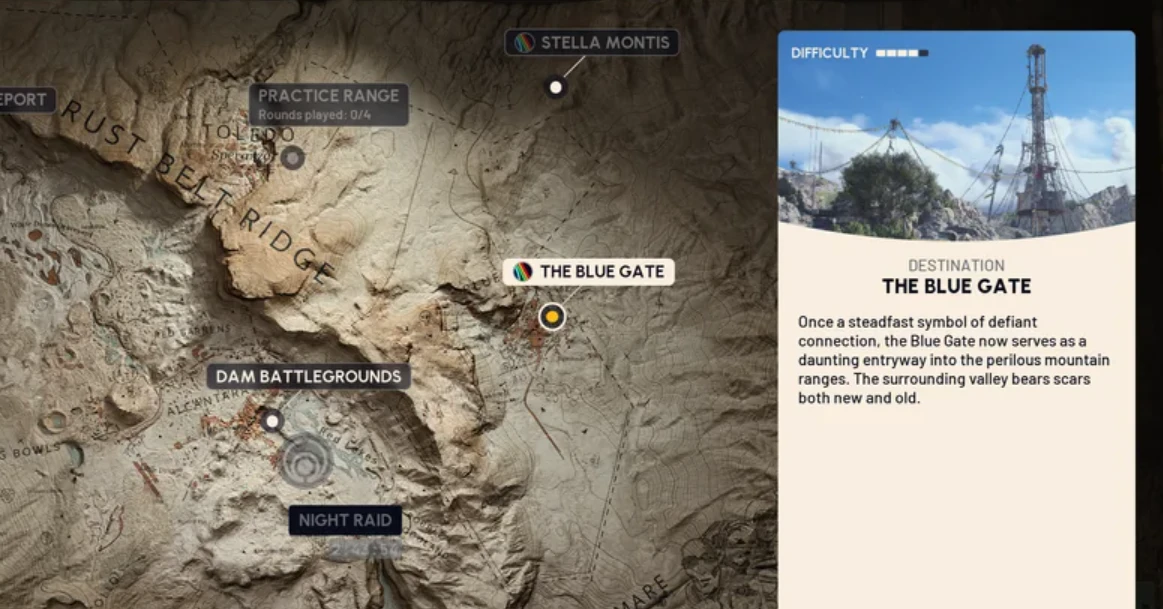
What Makes Blue Gate Different
Unlike open-field battlegrounds in ARC Raiders, Blue Gate is built around verticality and darkness. Its layered tunnels and confined corridors replace open skies with echoing steel and frost.
This is a battleground that demands awareness and restraint. It rewards careful movement and punishes noise, making every encounter feel personal and tense.
Core Traits
- Dual-layer design: Blue Gate combines wide, frozen ridges on the surface with a dense underground maze below. The surface gives you range and visibility, while the tunnels test your ability to navigate tight spaces and control sound. Survival often depends on knowing when to dive underground and when to emerge.
- Airshaft extraction system: Instead of elevators or metro lifts, Blue Gate uses vertical airshafts that pull players upward into exposed exits. Extraction isn’t just an escape — it’s a gamble. Timing, cover, and awareness are critical, especially during a Blue Gate Raid when other players may camp near these shafts.
- PvPvE hotspots: The map’s choke points — especially near tunnel junctions and the Communication Tower — create natural conflict zones. Raiders and ARC patrols often cross paths here, leading to unpredictable fights where patience and positioning usually matter more than firepower.
- Sound sensitivity: The tunnels amplify every sound — footsteps, reloads, even gear rattling. In Blue Gate Night Raids, this becomes even more crucial, as darkness hides what your ears can still find. Moving slowly and listening carefully is often the key to survival.
Survival here depends on silence and precision. Surface zones are lethal; assume you’re being watched the moment you break cover. Success in the Blue Gate Raid depends not on aggression, but on patience — the ability to wait, plan, and move when others hesitate.
Core Underground Network: The Four Primary Passages
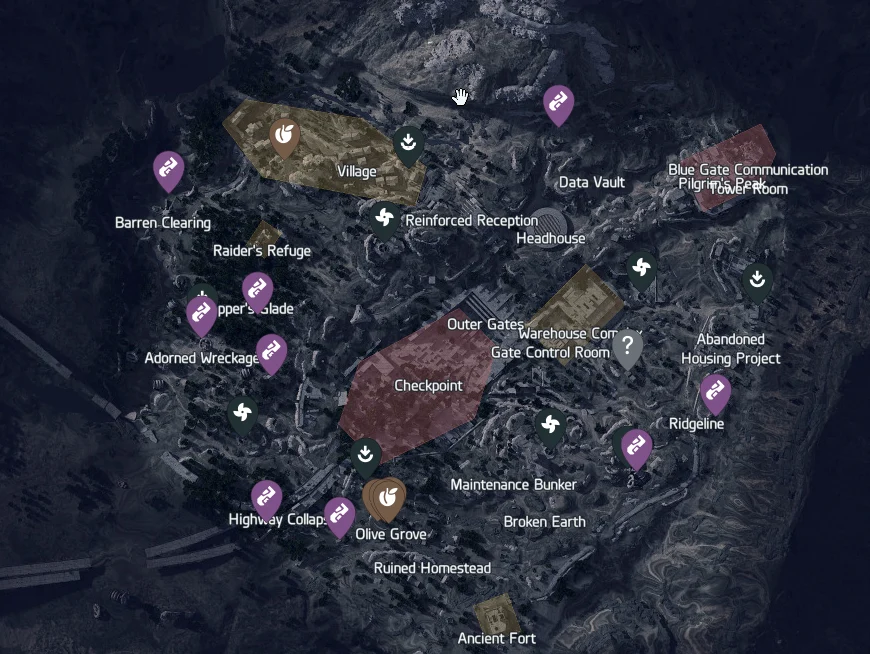
The underground system beneath Blue Gate forms its strategic backbone. Each major tunnel has a specific purpose — and knowing how to move through them can decide whether your raid ends in loot or loss.
Moderate loot density, short routes, and clear exits make it a safe warm-up zone. Use it for base loot runs or when playing solo during early progression.
Expect crossfire, especially during Night Raid sessions when visibility drops.
Travel light here, keep a smoke grenade ready, and never linger in the open section longer than ten seconds.
Plan your route before opening the door — once breached, it attracts both Raiders and ARC patrols almost instantly.
Route Blueprints: Solo and Squad Strategies
Routing through Blue Gate isn’t about speed; it’s about efficiency and timing. Below are proven approaches that fit solo explorers, duos, and full squads.
Low-Risk Solo Tunnel Sweep (12–18 min)
- Enter through the Standard Passage.
- Clear early alcoves and move toward the Communication Tower.
- Optional: unlock Confiscation Room if equipped with a key.
- Extract once your inventory reaches about 70% capacity.
This is ideal for farming mid-tier loot while minimizing PvP risk — especially effective during off-peak or Night Raid hours.
Duo Profit Spike (15–20 min)
- Operate in pairs. One covers intersections; the other loots.
- Focus on Tower and Confiscation sectors.
- Extract before mid-match when PvP density spikes.
Duos can dominate Blue Gate Raids by splitting tasks — communication and timing are everything here.
Tri-Stack Sweep & Surface Pop (18–25 min)
- Execute full sweeps of tunnels, rotate through the Vertical Shaft, and plan surface extractions.
- Keep comms short and clear — tunnel acoustics amplify noise.
- Control vertical points during surface pop-ups to secure extraction routes.
This run is designed for experienced teams during Blue Gate Night Raids, where darkness offers stealth advantages.
High-Value Loot Caves and Locked Rooms
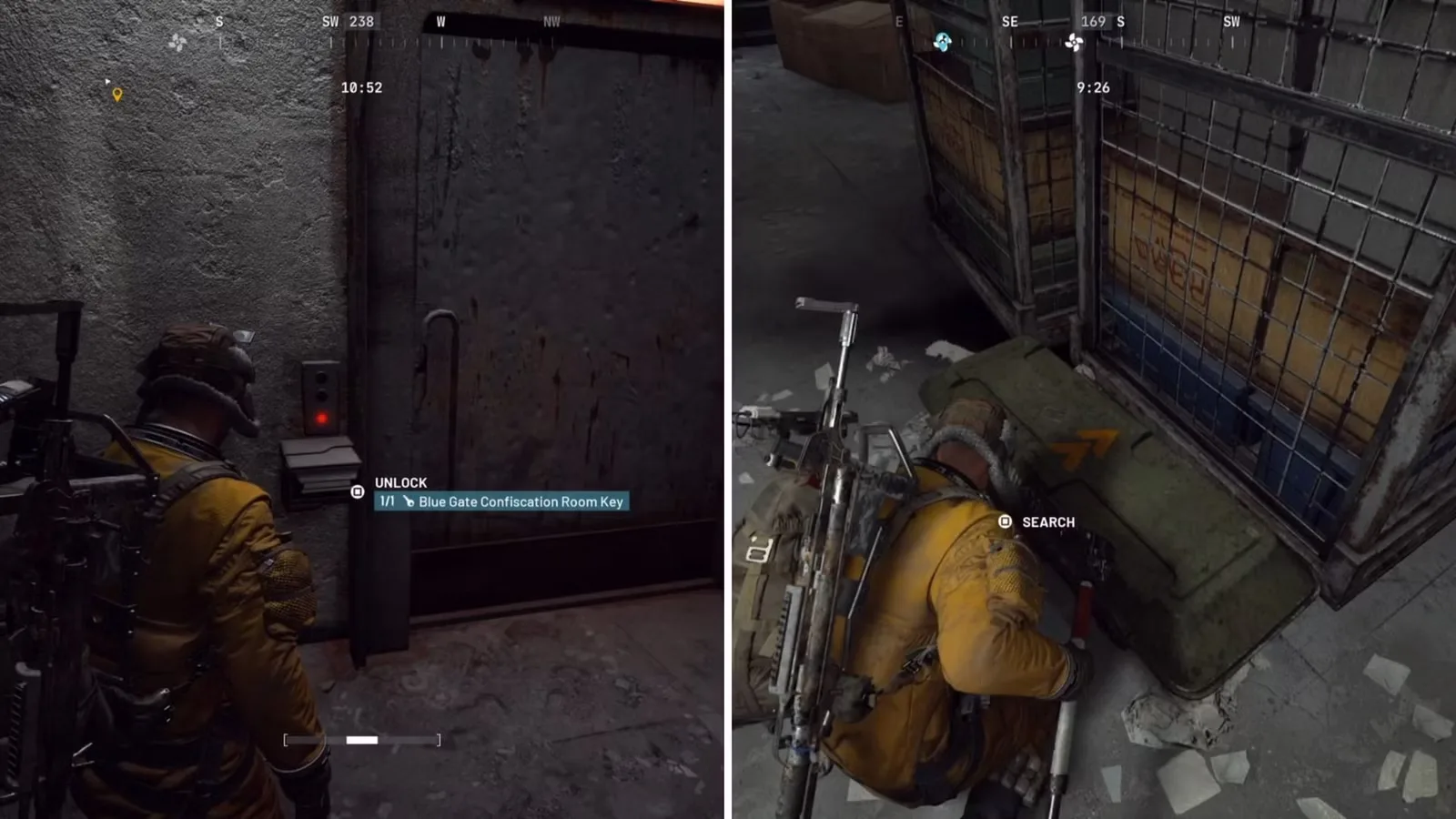
Loot distribution across the Blue Gate Map isn’t random — it’s deliberately uneven. The best rewards aren’t lying in plain sight; they’re buried deep within corners that most players rush past. Each high-value area is designed to test your ability to notice details that others ignore. In Blue Gate, success often comes down to listening carefully and reading the environment rather than just following your radar.
The surest way to locate loot caves is by paying attention to subtle environmental cues. A low electrical hum echoing through the tunnels often signals the presence of hidden power sources or ARC machinery nearby — and that’s where valuable containers tend to spawn. If you notice several ARC crates grouped tightly in a narrow passage, that’s usually a sign you’re close to a loot chamber. Even small elevation dips on your mini-map can hint at deeper alcoves below the main route, where rare materials and weapon components wait for those patient enough to explore.
Among the most lucrative destinations is the Confiscation Room, a sealed branch accessible only with a Confiscation Key. This is the crown jewel of the Blue Gate Raid, holding top-tier loot and upgrade materials. But entering it comes with risk — the moment you breach the door, nearby enemies and other raiders will often be drawn by the noise. Proper planning, fast looting, and a clean extraction route are mandatory if you want to leave with your rewards intact.
Another reliable location for profitable runs is the Communication Tower Storage, a mid-level area that consistently spawns crafting supplies, ammunition, and gear parts. It doesn’t hold the same high-end treasure as the Confiscation Room, but its predictable layout and moderate resistance make it ideal for solo players or early-stage squads looking for steady profit without overexposure.
Then there are the Epic Caves, deep in the sub-levels of Blue Gate. These zones are rare and not always active, but when they appear, they offer some of the best loot in the entire raid. Many players skip them due to the time and danger involved in reaching them, but for those chasing rare components or limited event drops, these caves can turn an average run into a massive payday.
No matter where you go, smart inventory management is essential. Keep a few slots open for unexpected high-value finds — overfilling your pack too early limits your flexibility and slows your movement during extraction. In Blue Gate Night Raids, that can be fatal. The best raiders know when to stop collecting, when to move, and when to extract — because in this labyrinth, greed is often the last mistake you make.
Extraction Mastery: Airshaft Tactics
Extractions in Blue Gate aren’t elevators or portals — they’re airshafts.
That means you’re exposed vertically while climbing out, making every second count.
Key Tactics
- Pre-scout nearby airshafts before looting.
- Never extract right after combat — wait 20–30 seconds for silence.
- Deploy smoke grenades during final ascent.
- If a shaft is contested, rotate through tunnels and pick an alternate exit.
Choosing the Right Shaft
| Situation | Distance from Loot Room | Visibility | Threat | Recommended Action |
|---|---|---|---|---|
| Heavy bags after Confiscation | Confiscation 150–220m | Low | ARC patrols | Smoke cover → staggered push → extract |
| Light load, timed run | 250–300m | High | Raiders | Wait 30s lull → double dash → extract |
| PvP pressure nearby | 180m | Medium | Mixed | Fake rotate → re-enter tunnel → alternate shaft |
Airshafts are your lifeline in Blue Gate Raids — and your biggest vulnerability. The smartest players extract unseen.
“A First Foothold” — Efficient Quest Routing
The early mission A First Foothold serves as a guided introduction to the entire Blue Gate Map, forcing players to explore each of its main sectors: Data Vault in the northwest, Trapper’s Glade to the west, Olive Grove in the south, and Ridgeline on the eastern ridge. Each location presents its own environmental hazards and encounter types, giving players a full picture of what the Blue Gate has to offer.
The most efficient way to complete this quest is to divide the task into two raids. On the first run, target Data Vault and Trapper’s Glade, both located on the same side of the network and easily connected through lower tunnel routes. On the second raid, focus on Olive Grove and Ridgeline, using vertical connectors to move between them without exposing yourself on the surface. This split approach saves time, reduces risk, and helps you conserve resources across both attempts.
When planning your route, always prioritize the tunnels over open terrain. The mountain ridges may look like shortcuts, but they’re lined with sniper sightlines and PvP crossfire zones. The underground passages, though narrow and tense, provide natural cover and multiple escape routes if things go wrong. Always establish your extraction point before you start engaging objectives — most deaths in Blue Gate Raids happen during the return trip, not at the target itself. Smart navigation and exit timing often decide the difference between a clean success and a total loss.
Tunnels, Shortcuts & Vertical Connectors
The tunnels of Blue Gate are more than just paths between objectives — they are lifelines. Understanding their structure and acoustics can mean the difference between making it out alive or being trapped in an ambush. Each tunnel has its own sound profile, depth, and visibility level. The most successful raiders are the ones who learn to read those cues instinctively.
Sound becomes your primary compass underground. A change in echo often means you’re nearing an intersection or chamber, while a sudden drop in ambient noise might signal that you’ve reached a dead end or an enemy-held area. The blue indicator lights scattered through the tunnels are subtle but invaluable; the closer they appear, the nearer you are to an exit or airshaft.
Movement discipline is crucial. Sprinting sends sound rippling through the corridors, announcing your position long before you arrive. Walking or crouch-moving keeps you hidden and allows for better reaction time. Many veterans of Blue Gate Night Raids also carry spare flashlight batteries, since total darkness in the deeper sections can disorient even experienced players.
In the dark, your hearing becomes your most reliable tool. Every drip of water, every shift of debris, every echo of movement can carry meaning. Silence itself isn’t safety — it’s a test. It can mean that you’re alone… or that something is waiting just around the corner.
Threat Matrix: Underground vs. Topside
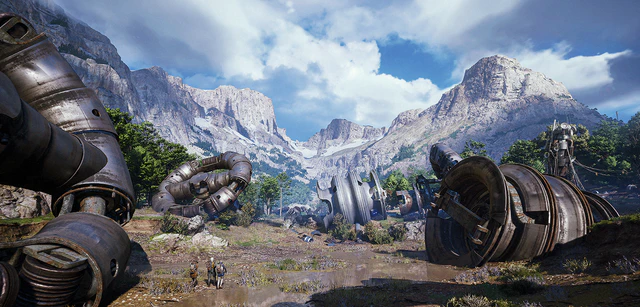
Danger in Blue Gate shifts constantly depending on where you move. The underground layers are filled with ARC patrol units that usually move in pairs or trios, scanning tunnels for heat signatures and sound. Raider ambush squads often set up near choke points, using the tight spaces to trap players. On top of that, random environmental hazards — steam bursts, loose debris, and collapsing ceilings — can turn a safe route into a death trap without warning. Navigating these spaces requires patience and situational awareness more than sheer firepower.
The surface tells a different story. Up there, the biggest threat isn’t what you see — it’s what you don’t. Long-range sniper ambushes are common along the frozen ridgelines, especially during Blue Gate Night Raids when visibility drops. Many players underestimate how exposed they become once they leave the tunnels. PvP encounters are frequent around airshaft exits, where desperate teams try to intercept others mid-extraction. On top of that, sudden weather shifts, snow flurries, and glare can distort your field of view, giving opponents a deadly advantage.
Engage only when necessary. The Blue Gate environment rewards those who move deliberately, observe before acting, and prioritize survival over aggression. Every bullet and every sound matters here — and the quietest players often leave with the most loot.
Recommended Loadouts: Roles Over Guns
Success in Blue Gate Raids comes from balance — not firepower. Roles define survivability more than weapon rarity.
Squad Roles:
- Scout: light, fast, equipped with scanner and flashlight; marks targets and leads routes.
- Door Popper: breacher role, carries keys and explosives; handles mid-range combat.
- Mule: durable carrier; prioritizes smoke grenades, heavy armor, and extraction defense.
In narrow tunnels, visibility control beats sheer DPS. Smoke grenades often decide whether you live or die.
Common Mistakes to Avoid
- Rushing extractions without scouting airshafts.
Many players lose their entire haul in the final seconds because they rush into an airshaft without checking the surroundings. Airshafts are natural choke points that attract ambushes, especially during Blue Gate Raids when multiple squads converge near extraction zones. Always pause for a few moments, listen for movement or distant gunfire, and use smoke grenades to cover your ascent. Patience here often means survival. - Entering Confiscation Room without an escape plan.
The Confiscation Room is packed with top-tier loot, but entering it recklessly almost guarantees unwanted attention. The sound of the door breach echoes far through the tunnels, alerting nearby Raiders and ARC patrols. Before opening it, identify at least two fallback routes and make sure your team can regroup quickly if a fight breaks out. Grab only what you can carry and be ready to move the moment things heat up. - Ignoring tunnel-side shortcuts when overencumbered.
It’s easy to overlook smaller side tunnels when your pack is full, but these narrow paths often provide the safest and fastest way back to extraction. Overencumbered players who take main corridors or surface routes become easy targets. Learn the map’s smaller loops — they may look insignificant, but they can save minutes and keep you out of enemy sightlines during a Blue Gate Night Raid. - Carrying rare keys into PvP-heavy zones.
Bringing valuable keys into contested areas is one of the most costly mistakes you can make. Keys like the Confiscation or Tower access passes are long-term assets meant for controlled, planned runs. Taking them into high-traffic PvP regions risks losing them permanently. Always assess the current player density and enemy movement before committing rare items to a risky raid.
In Blue Gate, every mistake carries weight. A rushed decision, an overlooked shortcut, or a moment of greed can strip you of hours of progress. Here, survival and profit belong to the cautious — those who plan ahead, move deliberately, and never underestimate the map’s dangers.
Conquering Blue Gate
The Blue Gate Map in ARC Raiders is a challenge built on tension, silence, and precision. Its design rewards observation, planning, and restraint — the very traits that separate survivors from the fallen.
Whether you’re braving a Blue Gate Raid in daylight or navigating a Blue Gate Night Raid beneath the hum of frozen pipes, one truth always remains: master the underground, and you’ll own the surface.
